US$1m raised, 1,000 blood tests run: Here’s what we know
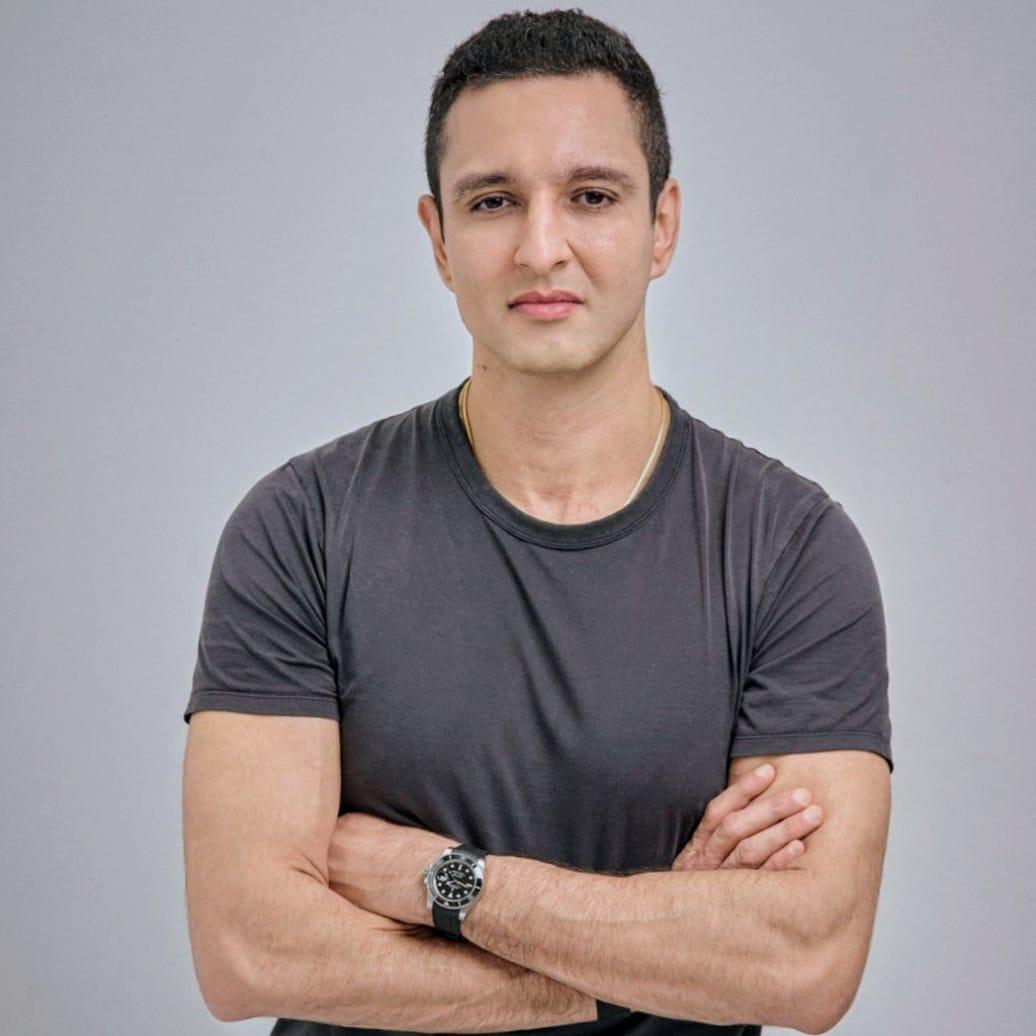
PROTOCOL's Mehdi Elaichouni raises US$1m to close Singapore's preventive healthcare gap with data-driven clinical care.
Last month, PROTOCOL closed US$1m in pre-seed funding led by DSG Consumer Partners with participation from Lightspeed Venture Partners. The round was not built on a pitch deck projection. It was built on a pattern the company had already seen, repeated across more than 1,000 blood tests run at its clinic on Robinson Road.
Most of Singapore’s high-performing professionals have at least one serious out-of-range biomarker they know nothing about.
Elevated ApoB. Lipoprotein(a) above the cardiovascular risk threshold. Vitamin D levels low enough to affect immune function, bone density, and cognitive performance. Fasting insulin creeping toward insulin resistance. None of these conditions announce themselves. None of them shows up in the standard corporate health screen. And none of them are being caught early enough.
That is the problem PROTOCOL was built to solve.
The gap nobody is talking about
Singapore’s annual health check has not meaningfully evolved in decades. The standard panel tells you whether you are in crisis. It does not tell you where you are headed.
The markers that matter most for long-term health, ApoB, HbA1c, fasting insulin, thyroid function, and hormones, are rarely included in routine corporate screenings. They are ordered reactively, when a patient presents with symptoms. By design, the system waits for something to go wrong before it looks for the reason why.
That is the fundamental flaw. An HbA1c result within the normal range does not reveal the trajectory toward insulin resistance. A cholesterol reading does not distinguish between ApoB particle count and total cholesterol. A TSH test does not tell you whether your thyroid antibodies are rising. These distinctions are not academic. They are the difference between catching a problem early and managing a chronic condition for the rest of your life.
The result is a system optimised for reactive care dressed up as prevention. Singaporeans leave their annual check-up with a clean bill of health and no actionable information. A decade later, the same system treats the condition that could have been interrupted years earlier.
This is not a clinical failure. It is a structural one. The incentive in traditional healthcare is to manage illness rather than prevent it. There is no commercial model built around keeping healthy people healthy.
Why is the timing right
Singapore’s health span gap, the difference between life expectancy and years lived in good health, sits at roughly a decade. One in three Singaporeans lives with hypertension or hyperlipidaemia, conditions that are largely preventable with early detection and consistent intervention.
Healthier SG has shifted the national conversation toward proactive care, and a growing generation of executives, entrepreneurs, and professionals is ready to act on it. They are not waiting to get sick. They want to understand their biomarkers, optimise their performance, and build a health plan grounded in data rather than guesswork. Bain’s 2024 Asia Pacific consumer health report found that 51% of respondents would pay more for personalised health services, with the figure rising to 58% amongst Gen Z.
DSG and Lightspeed backed PROTOCOL because they see the same inflexion point. This is not a niche wellness trend. It is a structural shift in how ambitious people in Asia think about health as a long-term asset.
What PROTOCOL does differently
PROTOCOL is not a screening company. It is a care system.
Every patient begins with the Core Health Test, a comprehensive blood panel that goes beyond the standard markers to assess cardiovascular risk, metabolic health, hormones, nutrients, and inflammation. But the test is only the entry point.
After testing, patients who need intervention enter treatment. PROTOCOL’s clinical team manages GLP-1-based weight-loss programmes and testosterone replacement therapy, alongside targeted supplementation protocols, all under medical supervision. Six months later, every patient rescreens. The data drives the next decision. The loop continues.
This is the model that does not exist in Singapore’s current landscape: a single, doctor-led system that takes a patient from screening to treatment to sustained improvement, with a care team that stays with them at every stage.
What comes next
PROTOCOL’s pre-seed round funds clinic operations, clinical team expansion, and the brand and technology infrastructure required to scale the model across Asia. A seed round is on the horizon as PROTOCOL prepares for the next phase of growth.
Preventive health in Singapore is at an inflexion point. The consumers are ready. The clinical evidence is clear. The policy environment is aligned. What has been missing is a care model serious enough to meet the moment.
That is what PROTOCOL is building.



























 Read Here
 Advertise
 Sign Up