S’pore bags ‘resilience champion’ status, boosts global business
It ranked 3rd, thanks to its location coupled with a stable and efficient gov’t.
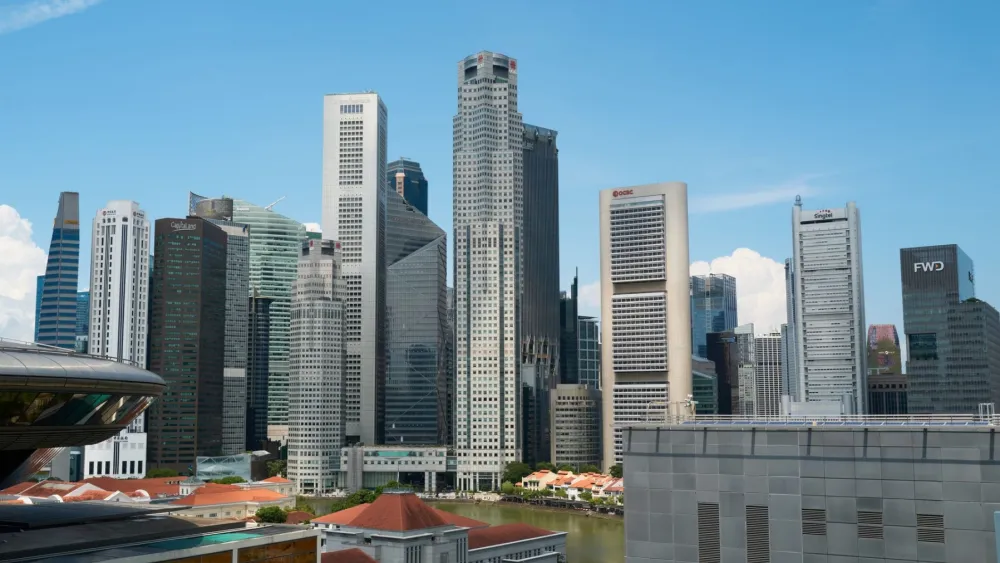
Singapore, covering an area equivalent to New York City, has cemented its position as a global financial centre and a regional hub for international business. Its strategic location, coupled with a stable and efficient government, supports this status.
Ranked no. 3 on the 2024 FM Global Resilience Index, Singapore maintains its status as Asia’s resilience champion, thanks to its progressive and robust economy.
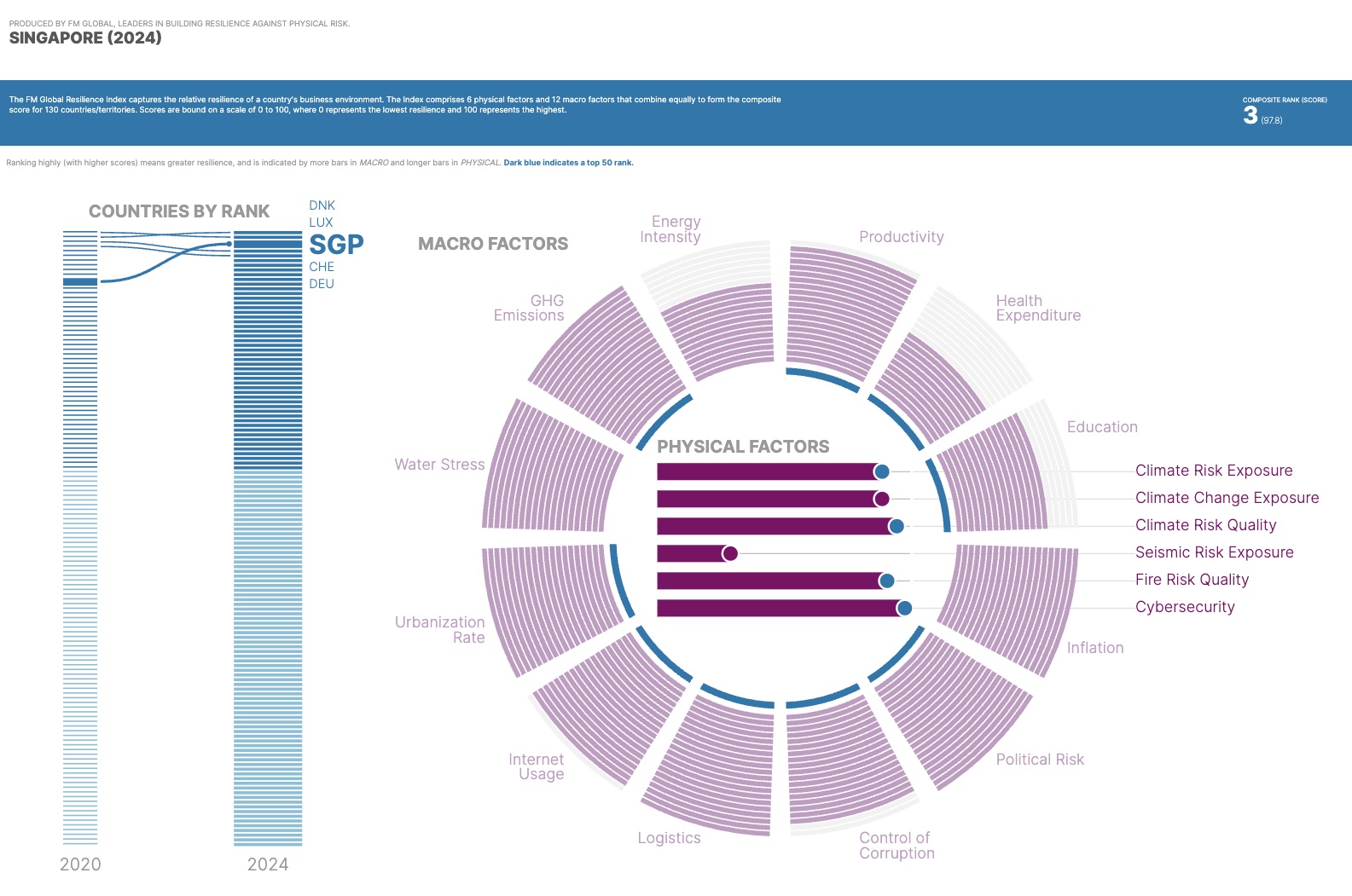
The country consistently sets high-performance benchmarks for business resilience globally, remaining a top contender in FM Global’s Index over the past decade. The economy has seen rapid development, with its per capita GDP growing from $676.20 (US$500) in 1965 to $172,518.91 (US$127,565) today, making it one of the top three globally, according to the World Bank.
“Anyone who has done business (or taken public transport) in Singapore will tell you it is one of the world’s most developed and open economies, serving as the Asia headquarters for global multinational companies, financial institutions, and technology research centres,” FM Global said in an insight.
The nation excels in logistics, urbanisation, and political risk, ranking no. 1 in these categories, and no. 3 for productivity in the FM Global Resilience Index.
These rankings highlight Singapore's blend of economic and political stability, carefully cultivated over the past 50 years, leveraging its geographic advantage to provide a secure launch pad for global business in Asia.
However, Singapore’s resilience is continually tested by climate and geopolitical risks. It ranks no. 56 for climate change exposure due to its tropical location and associated risks such as rising sea levels and temperatures.
Climate seismic risk quality and water stress rank no. 81 and no. 116, respectively, due to proximity to earthquake hotspots and lack of natural resources.
“In response, Singapore has implemented a series of comprehensive environmental policies, including water conservation, clean energy promotion, and sustainable urban planning to address climate risk and promote greater economic sustainability,” it added.
The Singapore Green Plan 2030 aims to transition from fossil fuels to renewable energy, and green buildings, and reduce emissions through vehicle quotas.
Despite ongoing efforts, Singapore's greenhouse gas emissions rank no. 7, setting a high standard for smaller economies reliant on carbon-intensive imports.
Singapore's no. 3 ranking reflects its forward-looking and dynamic approach, maintaining its place in the FM Global Resilience Index as a centre of business excellence amid a shifting regional risk landscape. With continued investments in resilience-focused economic policies, Singapore is poised to remain at the top.
($1.00 = US$0.74)























 Read Here
 Advertise
 Sign Up