Nomura raises GDP forecast to 4.6% on strong Q1 growth
The bank said AI-related demand continues to support electronics and manufacturing momentum.
Nomura raised its 2026 growth forecast for Singapore to 4.6% from 3.7%, after first-quarter GDP growth was revised sharply higher than expected.
Singapore’s GDP grew 6.0% YoY in the first quarter, up from the advance estimate of 4.6%. Nomura said the stronger reading was driven by services and manufacturing output.
The bank also raised its 2027 GDP forecast to 3.0% from 2.6%, citing multiple growth engines across the economy.
Services-producing sectors grew 5.7% YoY in the first quarter, higher than the advance estimate of 4.7%. Wholesale trade rose 11.7%, supported by higher wholesale volumes of telecommunications, computers, and electronic components.
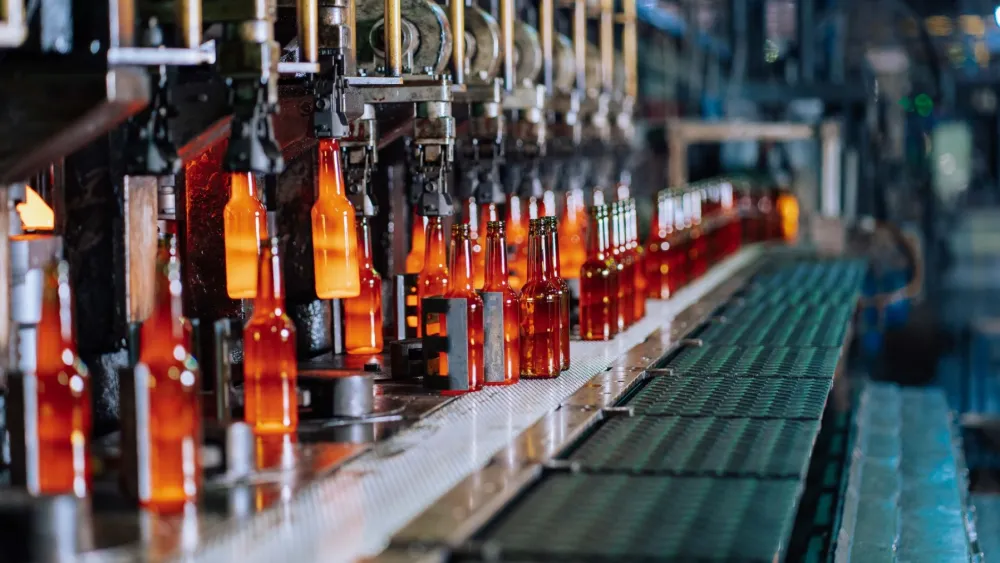
Manufacturing momentum also remained strong into the second quarter. Industrial production rose 17.6% YoY in April, led by electronics and precision engineering.
Electronics output grew 44.0%, whilst precision engineering rose 15.1%, reflecting broadening AI-related demand.
Nomura said the drag from biomedical and chemicals output remained smaller than the boost from technology-related sectors. Chemicals continued to contract due to lower petroleum and petrochemical production caused by feedstock supply disruptions.
Domestic demand also remained resilient, with gross fixed capital formation rising 9.5% in the first quarter, led by construction in non-residential buildings.
Meanwhile, core inflation eased to 1.4% YoY in April, below expectations. However, Nomura maintained its 2026 core inflation forecast at 2.2%, expecting price pressures to rise later in the year due to higher energy prices, utility costs, airfares, holiday expenses, and food prices.
The bank said the Monetary Authority of Singapore retained a cautious tone on inflation risks, with risks still tilted to the upside.
The Ministry of Trade and Industry maintained Singapore’s 2026 GDP growth forecast at 2% to 4%, even as it flagged higher downside risks from the Middle East conflict. Nomura said strong global AI-related demand is still expected to support growth and generate positive spillovers.




















 Read Here
 Advertise
 Sign Up