Singapore is world’s most expensive city
It was also named as the priciest location globally for car ownership.
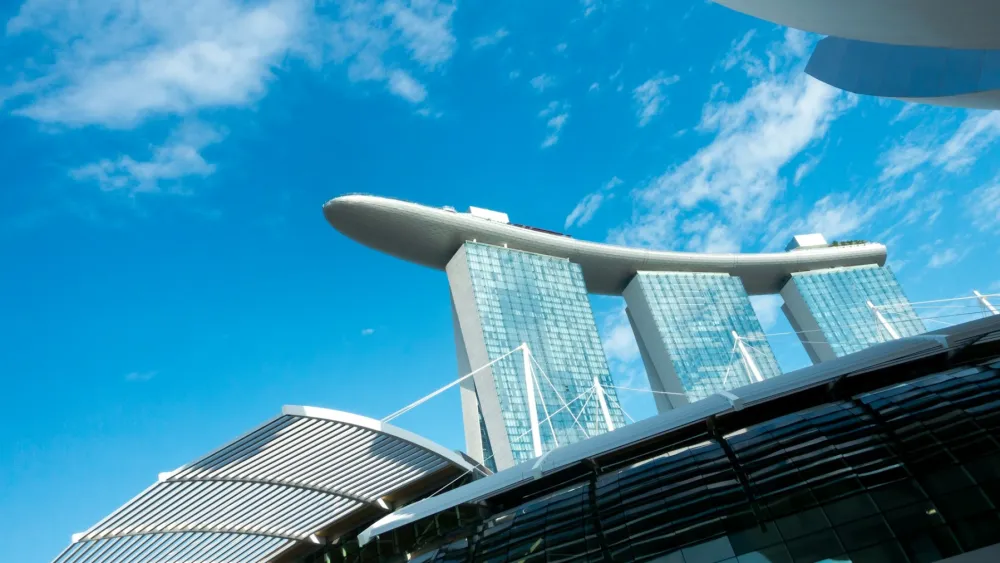
Singapore has reaffirmed its position as the world’s most expensive city, according to Julius Baer’s The Global Wealth and Lifestyle Report 2024.
The city has also secured its status as the priciest location globally for car ownership.
"The city continues to attract the ultra-wealthy by maintaining its reputation for political and economic stability alongside a pro-business environment,” the report noted.
Additionally, only minimal changes in luxury goods prices were reported, with a slight decrease of 0.46% in local currency and a modest increase of 0.8% in USD terms. Singapore’s inflation remained steady at 4.8% throughout 2023.
Mark Matthews, head of research APAC at Julius Baer, highlighted Asia’s economic progress, citing technological advancements in China and India, and robust growth in Southeast Asia.
“Singapore, located in this dynamic environment, is leading the digital transformation. Its digital economy is expanding at a CAGR of 13%, reinforcing its role as a key innovation hub in Asia,” he noted.
Amidst the rising costs in cities throughout 2024, the report said affluent individuals worldwide remain willing to invest in their lifestyles, families, and future prospects.
In 2024, average price increases moderated to 4% in USD terms, down from 6% in 2023. Goods saw a higher rise at 5%, compared to a 4% increase in services.

























 Read Here
 Advertise
 Sign Up