PM Wong calls for stronger regional energy resilience with net zero push
PM Wong says Asia must diversify supply and secure energy flows amidst Middle East tensions.
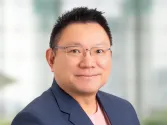
Singapore Prime Minister Lawrence Wong said Asia must strengthen energy resilience alongside decarbonisation efforts as geopolitical risks continue to threaten supply stability, particularly through key shipping routes such as the Strait of Hormuz.
According to his statement, following his participation in a virtual Asia Zero Emission Community (AZEC) Plus Summit convened by Japanese Prime Minister Sanae Takaichi, Wong noted that the Middle East crisis has highlighted the need to balance decarbonisation with energy security, given Asia’s reliance on imported energy transported through critical maritime chokepoints.
Wong said Asia is particularly exposed to energy disruptions due to its dependence on imported energy flows.
He said Singapore will keep its ports and trading links open to ensure the continued flow of essential goods, including during periods of disruption, and referenced the country’s experience maintaining supply chains during the COVID-19 pandemic.
He added that Singapore will continue to uphold navigational rights and freedoms under the United Nations Convention on the Law of the Sea, which support global trade across key sea lanes.
On the energy sector, he said Singapore will seek alternative upstream feedstock sources to support its role as an oil trading and refinery export hub, allowing it to continue supplying refined fuel products to global markets.
The Asia Zero Emission Community was originally formed to support the transition to net zero, but members at the summit agreed to step up efforts to improve regional energy resilience through diversification of energy sources, securing supply chains, and deeper cooperation among partner economies.
























 Read Here
 Advertise
 Sign Up