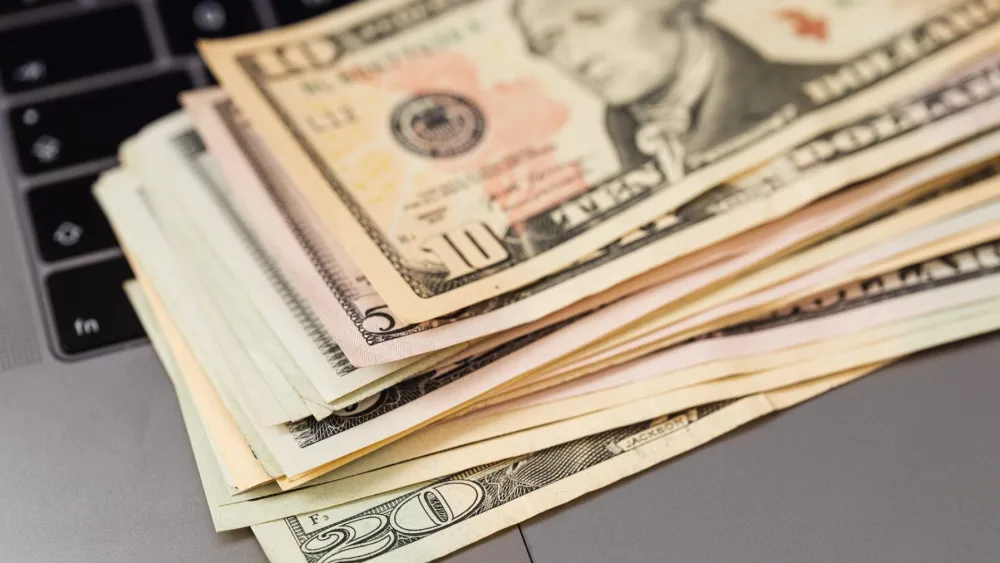
Singapore dollar sits close to the $1.29 threshold against the US dollar
Traders are said to be exiting Asian currencies into the safe havens amidst fears over Spain becoming the next Greece.
IG Markets Singapore said:
The Singapore dollar is still sitting close to the $1.29 threshold against the greenback this morning as the global economic picture remains bleak.
Fears over Spain becoming the next Greece has sent risk-on trading into a tailspin with traders exiting Asian currencies into the safe havens of the dollar and the yen.
The local currency is trading at $1.2887 and may find resistance at $1.29 and a floor at $1.2820 this session.
Tonight is the release of non-farm payrolls data which has the potential to move the pair.
Although most traders will be watching events in Europe as this is the weak spot determining the path of global currencies.
RBS meanwhile reported (for 31 May 2012 trading):
G10 FX performance was mixed ahead of the May US labour data report.
A lower ADP employment figure and a disappointment in initial jobless claims did little to boost risk-seeking sentiment, as USD/JPY remained heavy, dropping to an inter-session low of 78.21, according to Bloomberg.
USD/CAD also moved higher throughout most of the session while the rest of USD pairs stayed within tight ranges for most of the session.
In addition to US payrolls, Chinese manufacturing PMI for May will be released and the May manufacturing PMI for the UK will be closely watched, given recent data softness and the potential for further easing by the BoE.
























 Read Here
 Advertise
 Sign Up