Singapore eyes boosting global use of RMB with newest China pact
Here are the new initiatives.
According to a release, Singapore and China agreed on new initiatives to strengthen cooperation on financial sector development and regulation. The agreement was reached at the 10th Joint Council for Bilateral Cooperation (JCBC), co-chaired by Singapore Deputy Prime Minister, Coordinating Minister for National Security, and Minister for Home Affairs, Mr Teo Chee Hean, and People’s Republic of China Vice Premier of the State Council, Mr Zhang Gaoli.
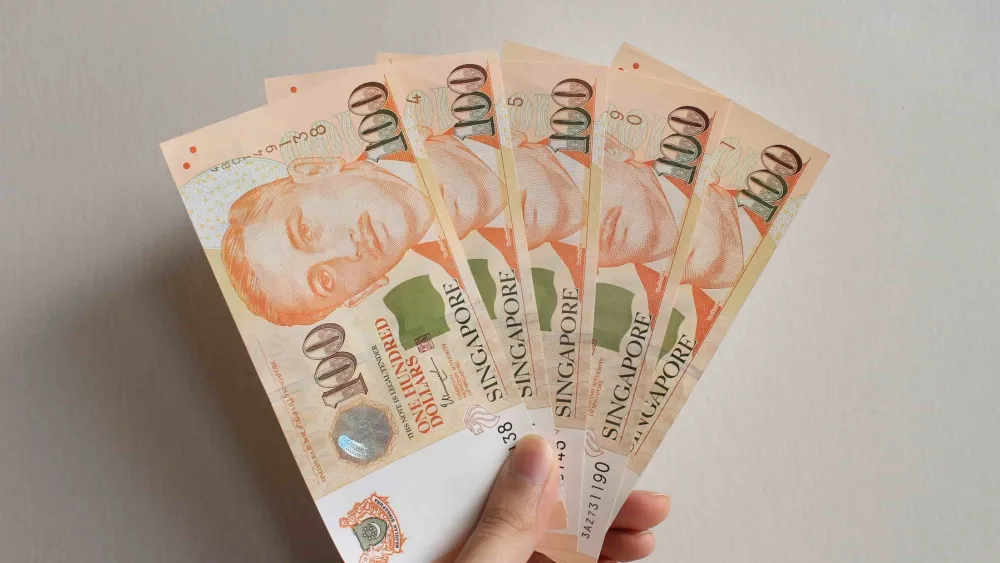
The new initiatives will further promote the international use of the Renminbi (RMB) through Singapore.
China will extend its Renminbi Qualified Foreign Institutional Investor (RQFII) programme to Singapore, with an aggregate quota of RMB 50 billion. This will allow qualified Singapore-based institutional investors to channel offshore RMB from Singapore into China’s securities markets. RQFII licence holders may also issue RMB investment products to the broad pool of investors in Singapore, using the RQFII quota. The RQFII programme will help to diversify the base of investors in China’s capital markets and promote adoption of the RMB for investment.
Singapore will be given consideration as one of the investment destinations under the new Renminbi Qualified Domestic Institutional Investor (RQDII) scheme. This will allow qualified Chinese institutional investors to use RMB to invest in Singapore’s capital markets. The measure will help to broaden the universe of assets available to Chinese investors as well as the investor base for Singapore’s capital markets.
China and Singapore will introduce direct currency trading between the Chinese Yuan and Singapore Dollar. Further details will be announced separately.
New measures are being studied to allow cross-border flows of RMB between Singapore and Suzhou Industrial Park (SIP) as well as Tianjin Eco-City (TEC).
The two countries also announced measures to strengthen regulatory cooperation.
Relevant agencies are in discussions to facilitate China-incorporated companies which have received regulatory approval to list directly in Singapore, instead of through entities incorporated outside China.
The Singapore Exchange and Shanghai Futures Exchange have signed an MOU to strengthen collaboration in the joint development of commodity derivatives.
Singapore and China agreed to strengthen cooperation in banking regulatory issues, through exchanges and dialogues on topics of shared interest, and enhanced coordination on international regulatory issues.
These new initiatives build on agreements concluded earlier this year, including the signing of the MOU on RMB Business Cooperation between the Monetary Authority of Singapore (MAS) and the People’s Bank of China (PBC), and the enhancement of the bilateral swap agreement between the two central banks, which paved the way for the launch of RMB clearing functions in Singapore in May this year.
MAS Managing Director, Mr Ravi Menon, said: “2013 has been a most productive year for financial cooperation between Singapore and China. These initiatives would not have been possible without the excellent relations between MAS and our central bank and regulatory counterparts in China. Financial ties between the two countries have deepened considerably and Singapore is well placed to promote greater use of the RMB in international trade and investment in the years to come.”






















 Read Here
 Advertise
 Sign Up