Why Asia-Pacific is still threatened by financial market volatility
Isn't resilience to economic weakness enough?
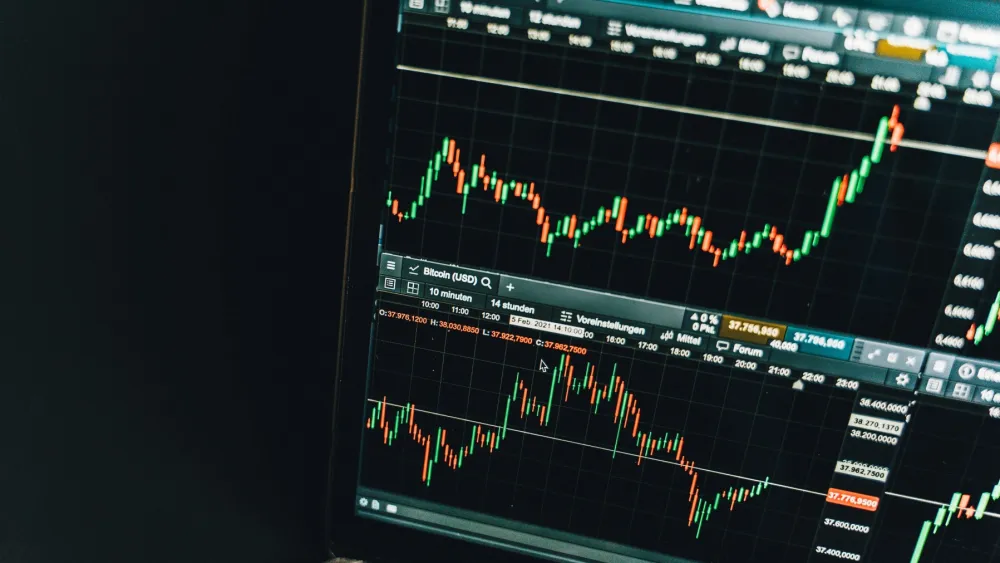
According to Standard & Poor's Ratings Services' report "Investment Drivers In Asia-Pacific: Global Financial Risk Appetite May Matter More Than External Demand," financial market volatility still has the potential to derail or dampen investment recovery in Asia-Pacific despite the region's resilience to global economic weakness so far.
The report delves deeper into the factors influencing Asia-Pacific investment by focusing on the responsiveness of cyclical investment to external shocks on the real (i.e., goods and services producing) and financial sectors.
Here's more from Standard & Poor's:
"One of the main results of our analysis is that for most of Asia-Pacific, changes in global financial risk appetite matter more to regional investment outcomes than changes in real external demand," said Standard & Poor's economist Vincent Conti. "Our results suggest that, despite the expected improvement in global growth prospects, the current bout of global risk aversion may temper investment growth in Asia-Pacific."
The report notes that Southeast Asian economies' large young labor force, rising incomes, and renewed push to further private and public investment allow these economies to grow at reasonable rates despite global economic shocks. In contrast, growth in the more export-dependent, newly industrialized economies of Korea, Taiwan, Hong Kong, and Singapore tends to suffer when global economic activity slows. This is given the dominance of high value-added consumer and capital goods in the economies' production base, which are in highest demand in the advanced economies.
"It is important to distinguish real sector factors from global risk sentiment because financing needs, foreign holdings of local securities, and depth of financial markets vary across Asia-Pacific," said Mr. Conti. "Sudden shifts in global investor sentiment could dramatically influence funding costs through capital flows, possibly affecting the real economy. Moreover, increases in global risk aversion do not necessarily occur in periods of weak global growth."
For its analysis, Standard & Poor's used a common statistical model called a vector autoregression that considers the feedback loops and dynamic effects of four variables: investment, global risk sentiment, exports, and interest rates.


























 Read Here
 Advertise
 Sign Up