Singapore urged to cap F&B licenses amidst record closures
More than 3,000 restaurants folded up in 2024.
The government should consider limiting the licenses issued to food and beverage (F&B) companies to stabilise the market after record closures in Singapore last year, according to an analyst.
“The F&B industry in Singapore is saturated,” Guy Llewellyn, an assistant professor at EHL Singapore campus, told Singapore Business Review. “The overall number of F&B establishments currently operating is too high for the amount residents and tourists spend.”
In 2024, 3,793 F&B businesses were formed in Singapore, according to the Accounting and Corporate Regulatory Authority. A little over 3,000 of them eventually folded up.
Before introducing a cap, the state could require feasibility studies for new players and use a scorecard that factors in owner expertise, rent costs, and site location, Llewellyn said. Banks can use the scorecard to decide whether to give a loan, he added.
For established F&B outlets, tracking food trends is key to staying open, he pointed out. Plant-based dining is one opportunity, since 18% of Singaporeans mainly eat vegetable dishes with some meat or fish, according to British online market research firm YouGov.
Consumers in Singapore are prioritising health and well-being when dining, driving demand for healthier menu options, said Tim Hill, key account director for Southeast Asia at data and analytics provider GlobalData Plc.
The growing preference for nonalcoholic drinks reflects this trend. Hill said 59% of Singapore consumers occasionally or regularly choose low- or nonalcoholic beverages.
“Gen Z in particular and the younger Gen Y consumers in Singapore and elsewhere are drinking much less than previous generations,” he said. “Yet most bars or restaurants have a fairly small or sometimes nonexistent selection of these types of drinks.
“Operators who fail to diversify their menus to include healthier choices may find themselves losing customers to competitors who meet these evolving preferences,” he added.
Winnie Ong, a partner at consulting firm Simon-Kucher, said restaurants should offer novel food choices, citing McDonald’s seasonal offers as an example.
“There are consumers in Singapore who are willing to travel great distances if there is something interesting from a food option perspective,” she told Singapore Business Review via Zoom. Having one product at an attractive price point won’t be enough to keep a restaurant profitable, she added.
“Menu innovation and introducing limited-time seasonal products would be a good way to keep things interesting for customers, using the novelty element to appeal to consumers beyond the affordability proposition,” she added.
Menu updates should occur at least annually, if not quarterly, Llewellyn said. F&B restaurants should also refresh their ambience or decor, but not necessarily at the same pace, he added.
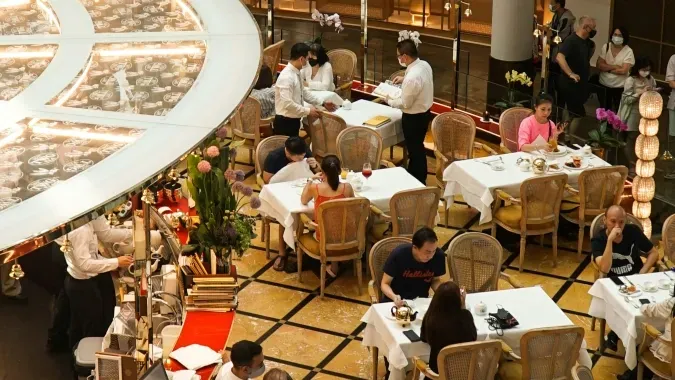
Consumers want a hygienic and inviting dining experience, and operators who fail to deliver risk losing customers to rivals, Hill said. “Operators need to especially consider how photogenic their decor is in order to attract customer promotions through their social media apps.”
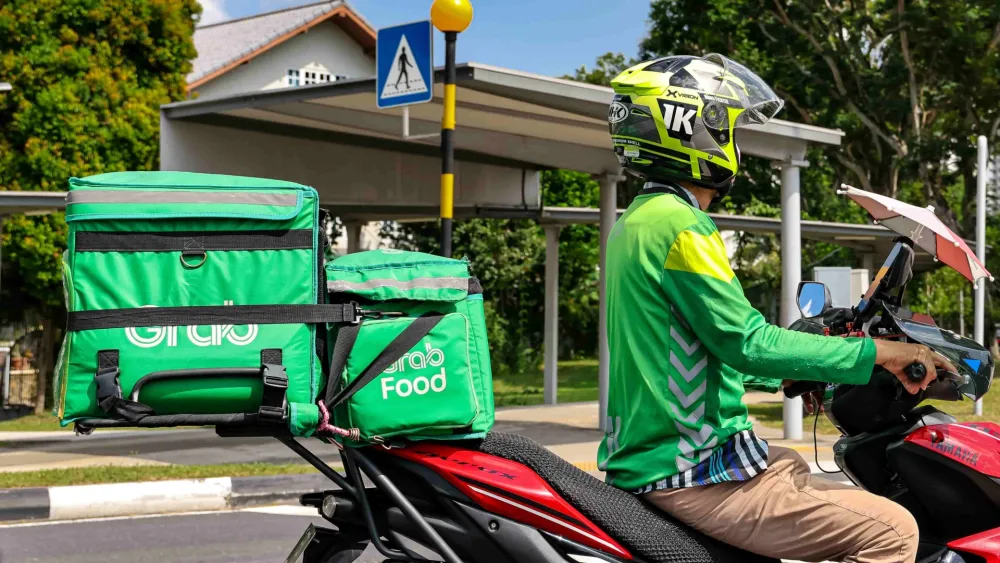
Ong said restaurants should consider takeaway service due to the rising trend of home dining in Singapore. While most restaurants in Singapore have joined delivery platforms, some, particularly those at hawker centres, have yet to do so, she pointed out.
“It’s not always easy to be on a delivery platform, as these platforms charge fees,” she said. “F&B establishments must balance profitability from these channels, often raising delivery prices to maintain margins.”























 Read Here
 Advertise
 Sign Up