
Singapore needs to look beyond the technical for the talent it needs
By Belle LimSingapore and many countries in the world are facing a tech talent crunch in the post-pandemic digital world – but are we looking at the right place and for the right people to fulfil these needs?
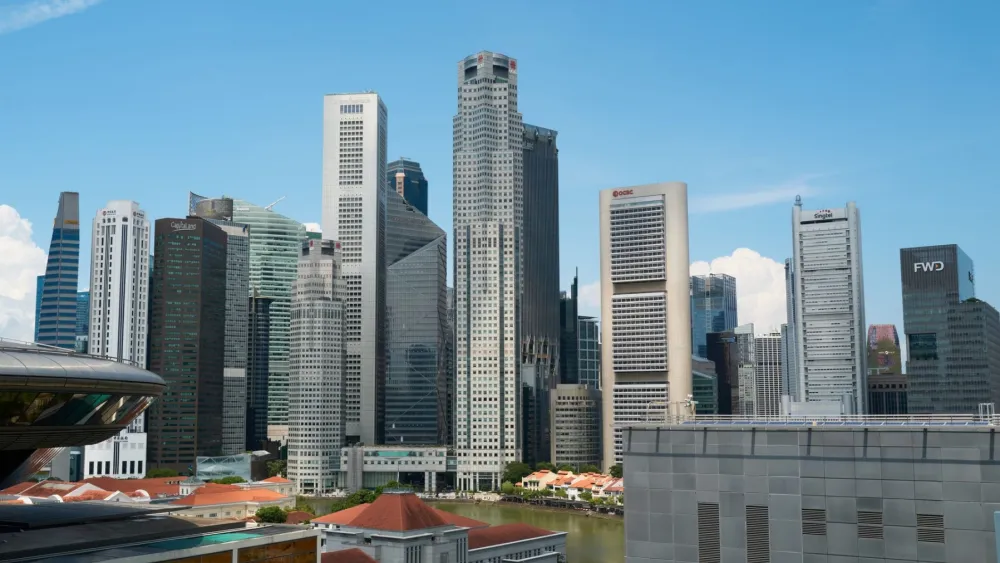
There are many reasons why Singapore has been recognised as the leading global tech innovation hub (outside Silicon Valley and San Francisco) for two consecutive years. Yet, as Singapore continues along its tech journey, it is inevitable that we will face obstacles along the way. Specifically, there is intense competition for specialised tech talent where the search for talent has evolved from local to international offshore expertise.
Singapore has been positioning itself as a deep tech ecosystem for technologies such as Blockchain where welcoming and constructive regulations have encouraged a surge of over 230 blockchain companies either coming to or launching from the Little Red Dot; an increase in over 50% from 2019.
Nurturing a deep tech ecosystem requires a strong army of Data Scientists, Engineers, and Developers amongst other roles that are able to perform and deliver to the scale and complexity required of these products. According to Microsoft, the digital economy will require 149 million new tech roles by 2025, many of which are for highly technical and specialised roles.
While we work towards growing our digitalised world, it is imperative that we understand and identify how best to balance the delicate demand and supply of talent sooner rather than later to meet the growing needs of the ecosystem.
Interestingly, despite much attention drawn to technical roles, many technology start-ups and companies have taken to prioritising non-technical individuals and enhancing their current sets of business knowledge and skills to complement and support the needs of their counterparts.
For instance, candidates for Product Manager positions are one of the most highly sought after for their ability to be the key cross-functional driver between the developers and business; translating business requirements into technical solutions and prioritising these solutions to better grow a scalable and sustainable product.
Other essential roles that tech companies today cannot do without include UI/UX Designers who work with the end users (or customers) in mind; playing a crucial role in ensuring the usability and aesthetics of the apps and products that we see today.
While these examples stem from the product team, there are many more roles in teams including Business Operations or Sales that seek out individuals’ abilities to bring their business acumen and storytelling skills to the table while learning to substantiate them with historical data-points for further credibility.
As we continue moving deeper into the world of technology with the challenges of the talent crunch in mind, perhaps, it is timely to bring back into focus how we can build an inclusive tech ecosystem which equally recognises the value of non-technical individuals and how they could be upskilled to match our talent needs.
Deep tech is becoming more inclusive, involving individuals with a range of talents from business development and design to deep tech and engineering. A company is a mini-ecosystem in itself and those with emotional intelligence are often just as valuable as those in IT. Singapore – from government to private sector – needs to understand the type of talent it needs and how it can train that talent and match individuals to opportunities. If it can master this, innovation will flourish in the City State.






















 Read Here
 Advertise
 Sign Up