BUDGET 2025: AI upskilling drive faces challenges in workplace integration
The grant is crucial for preparing the workforce to adapt to AI-driven changes.
Industry leaders have welcomed the new SkillsFuture Workforce Development Grant, recognising its potential to reshape Singapore’s workforce in the age of AI and digital transformation. The grant is seen as a key initiative to equip workers with relevant skills for a rapidly evolving digital economy.
Brian Kealey, Country Leader at Salesforce Singapore, emphasised that the grant is crucial for preparing the workforce to adapt to AI-driven changes. He noted that AI is transforming industries, offering employees opportunities to focus on strategic, high-value tasks.
However, Kealey stressed that the real challenge lies in applying AI effectively in daily roles to drive productivity and efficiency. Employees must learn how to integrate AI into their workflows to unlock its full potential.
Tahsin Alam, Regional Vice President and General Manager for Southeast Asia at UiPath, believes the grant will help companies harness the full potential of AI integration. Alam added that upskilling efforts must ensure employees can work ethically, safely, and responsibly alongside AI agents.
This approach will enable businesses to achieve positive outcomes whilst empowering employees to reach their full potential. By working effectively with AI, employees can contribute to higher business efficiency and innovation.
Lai Kee Yin, Partner at Technology, Digital & Sustainability Consulting, highlighted the grant’s financial advantages. With up to 70% funding support for job redesign and the $10,000 SkillsFuture Enterprise Credit, Lai believes it will accelerate digital transformation.
This funding makes transformation more accessible, especially for SMEs hesitant to take the next step forward. Smaller businesses will now have fewer financial barriers to adopting digital and AI-driven solutions.
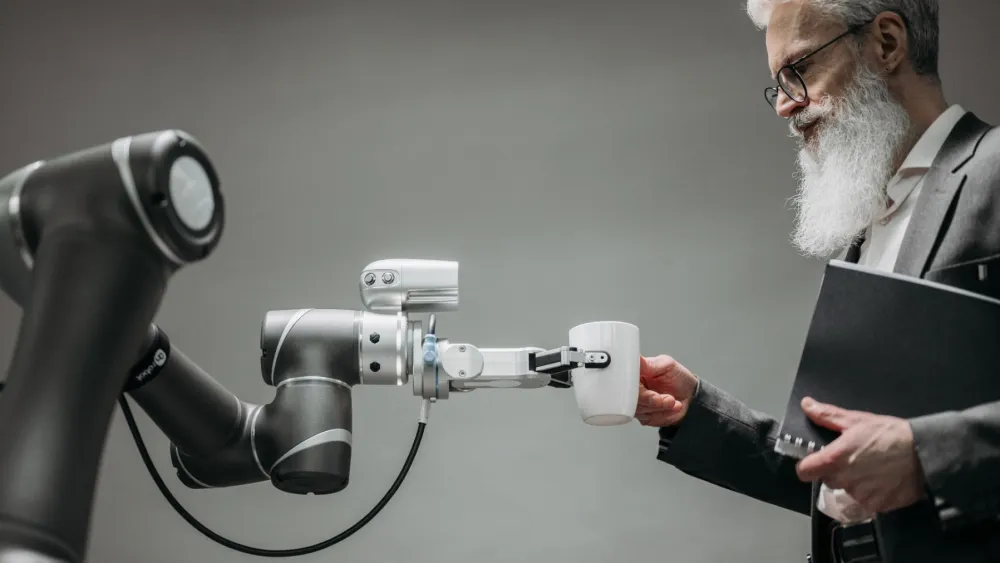
Tay Bee Kheng, President of Cisco ASEAN, stated that AI augments human efforts, not replaces them. She emphasised that Singapore’s focus on upskilling talent shows a commitment to building a future-ready workforce.
Tay also welcomed the expanded SkillsFuture Level-Up Programme, which offers digital skills training and AI literacy programmes. These initiatives are critical in bridging the digital skills gap, which Cisco Networking Academy has been addressing globally.
The SkillsFuture Workforce Development Grant helps companies restructure, transform, and upgrade their workforce. It focuses on equipping employees with updated skills to stay relevant amidst disruptive technologies like AI.
AI adoption remains central, providing employees with opportunities to focus on strategic tasks while working alongside AI agents. Upskilling efforts will ensure that employees understand how to use AI ethically and responsibly for business success.
The grant offers up to 70% funding support, lowering financial barriers for companies, especially SMEs. Combined with the $10,000 SkillsFuture Enterprise Credit, the initiative supports job redesign and digital transformation.
Overall, the SkillsFuture Workforce Development Grant, alongside the expanded SkillsFuture Level-Up Programme, will accelerate workforce transformation. These initiatives will bridge the digital skills gap and ensure that Singapore’s workforce remains competitive in a rapidly evolving digital landscape.


























 Read Here
 Advertise
 Sign Up