Singapore data hubs face cost and capacity pressures: report
Power costs are estimated at US$0.281 per kilowatt-hour.
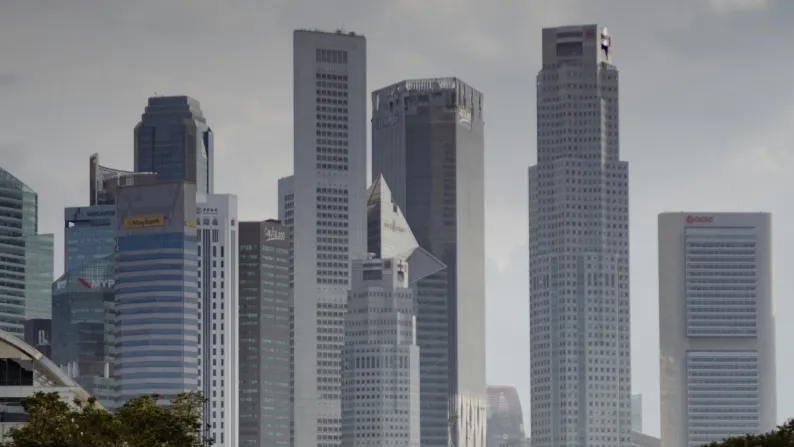
Singapore remains a major data centre hub in the Asia-Pacific region, with approximately 1,002 megawatts (MW) of live capacity in 2025, according to the TDICA Global Data Center Report 2025.
However, the market is tight, with a reported vacancy rate of around 2% and a limited development pipeline of approximately 246 MW—comprising 20 MW under construction and 226 MW in planning.
The report notes that colocation pricing in Singapore is amongst the highest in the region, ranging from approximately US$300 to over US$450 per kilowatt (kW) per month for wholesale deployments (250–500 kW blocks).
In contrast, nearby Johor, Malaysia, offers colocation pricing starting at around US$130 per kW.
Power costs in Singapore are also relatively high, estimated at US$0.281 per kilowatt-hour (kWh), whilst construction costs are indexed at 142 (with Amsterdam set as the baseline at 100), contributing to Singapore’s overall premium cost environment.
Policy developments in Singapore reflect a shift from a 2019 moratorium on new data centre builds toward a more selective, efficiency-oriented approach.
According to the report, the introduction of the Tropical Data Centre Standard SS 697:2023 promotes operating temperatures above 26°C, which may improve cooling efficiency by 2–5% per additional degree.
National targets over the next decade include achieving a Power Usage Effectiveness (PUE) of 1.3 or lower and a Water Usage Effectiveness (WUE) of no more than 2.0 cubic metres per megawatt-hour.
Despite these initiatives, the report identified Singapore as one of the slower data centre markets in the region in terms of build speed, citing ongoing power allocation issues, limited land availability, and restrictive permitting processes.
In contrast, faster build timelines—ranging from approximately 12 to 24 months—are observed in Malaysia, Thailand, and India.
The report also highlighted growing momentum in cross-border renewable energy sourcing, especially around the Singapore–Malaysia grid system. For instance, data center operator DayOne has signed a Clean Renewable Energy Supply (CRESS) agreement with Tenaga Nasional Berhad (TNB) in Malaysia for up to 500 MW of renewable power.
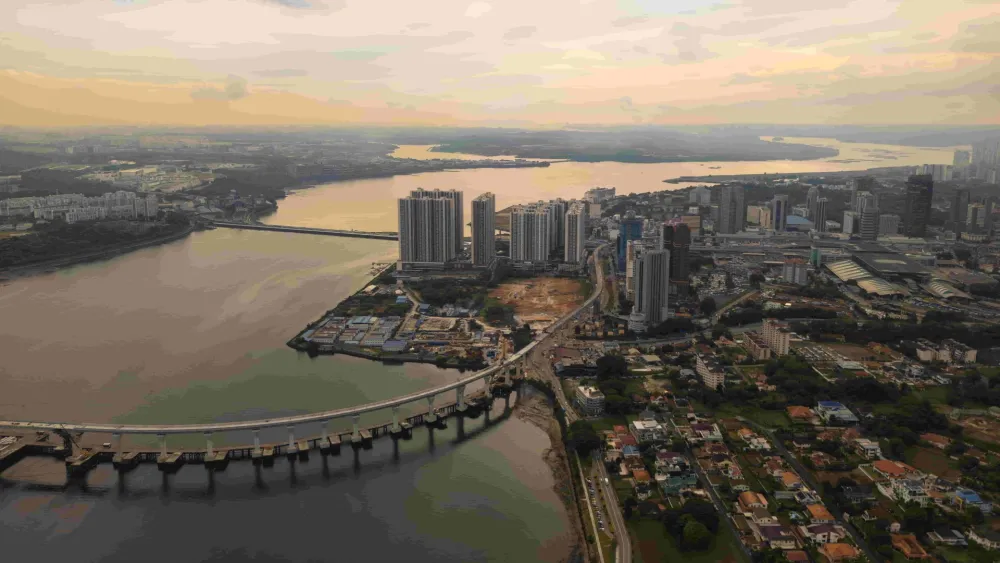
One of the report’s key observations is the emergence of the Singapore–Johor corridor as a regional “AI PowerHub.”
Further integration is expected through the 2025 Johor–Singapore Special Economic Zone (JS-SEZ), which is designed to promote bilateral cooperation in digital infrastructure, advanced manufacturing, and renewable energy.
According to TDICA, this emerging cross-border model enables operators to maintain latency-sensitive and mission-critical workloads in Singapore, whilst shifting large-scale AI and compute deployments to Johor.























 Read Here
 Advertise
 Sign Up