Online shopping is killing department stores in Singapore
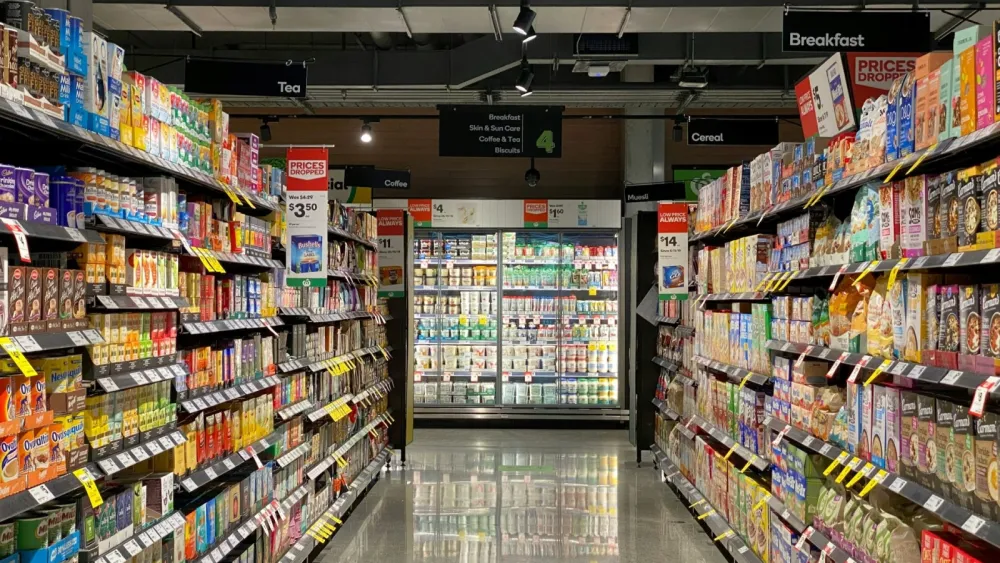
Even grocery items are being bought online now.
The rise of e-commerce is sounding a death knell for Singapore’s once-ubiquitous department stores and gadget shops, according to a report by property consultancy group JLL.
The number of shoppers buying groceries and computer equipment rose around 70% in the last two years, while over 60% of shoppers already buy some clothing or footwear online. The report said that shoppers are buying lower value goods online and higher value goods over $500 in a physical store.
“We expect online sales of groceries and electronic goods to grow exponentially in the next three years,” JLL said.
As a result, department stores, supermarkets and houseware shops have reduced in size over the past few years, particularly in suburban malls. In contrast, food and beverage, fashion, beauty and health trades have taken up more space in the last seven years.
“As shoppers tend to buy lower value goods online, malls are likely to attract higher-priced fashion and beauty brands, even in the suburbs. We expect to see electronics and grocery stores cutting back further in the next three years as more shoppers buy these goods online,” JLL said.
Latest data from the InfoComm Development Authority (IDA) showed that about 1.44 million Singapore residents shopped online in 2014, 30% higher than in 2012.
The sharp increase came from shoppers above 35 years old, as those in this group that used portable devices to access the internet rose 50% over two years. Over 70 per cent of those below 35 years old already shop online in 2012.



























 Read Here
 Advertise
 Sign Up