Airlines face unrecoverable losses as jet fuel prices double
CGS International predicts a 69% profit rebound by FY2028 if peace holds.
Airlines will suffer the most as rising crude oil prices become headwinds for Singapore’s transport industry, according to CGS International.
Since the start of the Middle East conflict on 28 February 2026, jet fuel has more than doubled, whilst pump prices in Singapore surged 19%, reflecting supply constraints and higher refining margins.
Airlines like Singapore Airlines (SIA) and Air India will likely raise average ticket prices in response to the cost pressures, but will unlikely recover their losses even though both airlines should be able to enjoy higher airfares on their services to and from Europe due to reduced air services by the Middle East carriers. Airlines have historically found it harder than other transport sectors to pass cost increases on to customers.
However, CGS International said if the war ends in two to four weeks, airlines like SIA will likely hang on to their higher fares as long as possible, resulting in a 69% year-on-year rebound in FY2028 core net profit, assuming jet fuel prices decline.
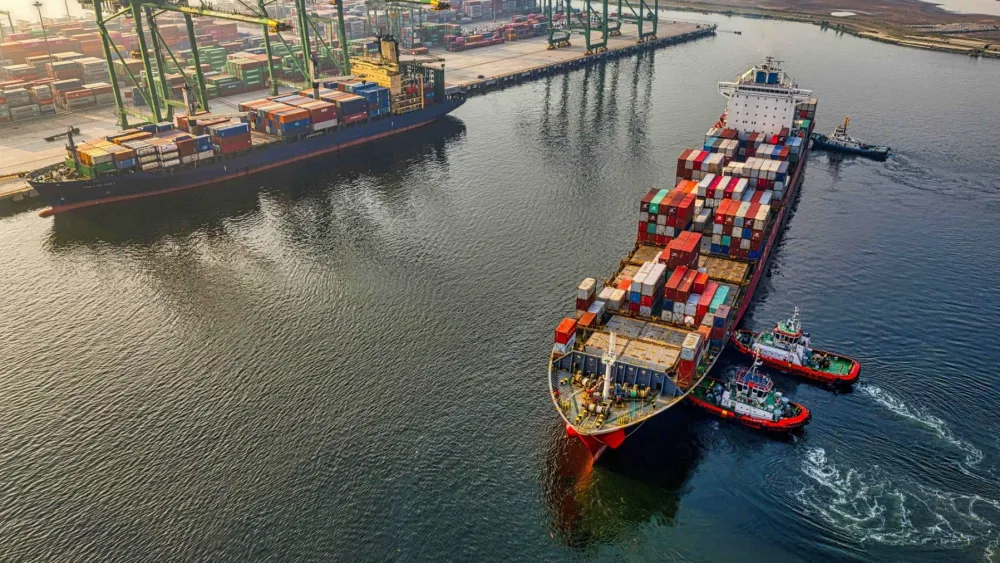
Aviation services companies like SATS, meanwhile, are partially impacted, capturing demand arising from the re-routing of trade flows. Cargo demand is expected to remain buoyant following the 5.9% YoY increase in demand in January.
However, flight cancellations for its airline customers could affect SATS for both its ground handling and cargo handling business segments, which face the risks of delays in the turnaround of its cargo warehouses and lower air travel volumes.
Recently, the Civil Aviation Authority of Singapore (CAAS) has announced a deferment of the Sustainable Aviation Fuel (SAF) levy, citing the impact of the ongoing Middle East conflict on airlines and passengers. The levy will apply to tickets and services sold from 1 October 2026, for flights departing from 1 January 2027.
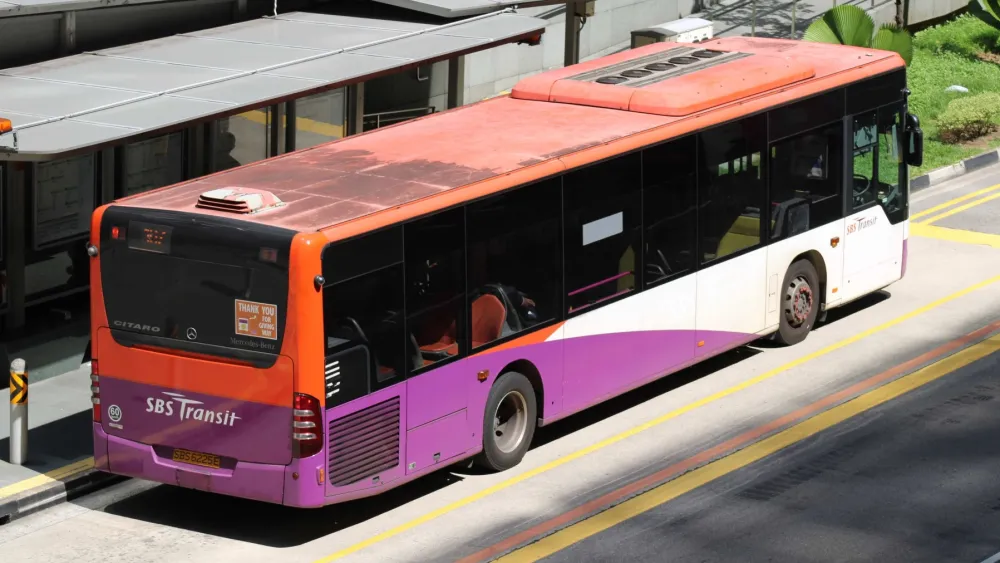
The impact on Singapore’s land transport is currently manageable, with CGS International expecting the near-term impact on ComfortDelGro and Grab Holdings to be limited as both are able to partially pass through higher fuel costs via fare adjustments.
ComfortDelGro’s public transport segment is covered via indexation contracts, and it has also hedged at least 50% of its fuel requirements up to 12 months ahead.
Both companies implemented taxi fare increases in Singapore, effective Mar 2026.
However, CGS International warned that if fuel costs remain high, demand for ride-hailing will likely dampen amidst more price-sensitive consumers.























 Read Here
 Advertise
 Sign Up