Conflict, costs, and construction: Where can margins still be saved?
By Avtandil MekudishviliSingapore’s construction ecosystem depends significantly on imported materials.
External shocks are no longer rare disruptions for Singapore’s construction sector, they are becoming a defining feature of the operating environment. Geopolitical tensions, particularly in key energy and trade corridors, are driving spikes in fuel, freight, and material costs. For an industry heavily reliant on global supply chains, the implications are immediate and far-reaching.
Contractors and developers now face a new reality: Cost volatility is constant, margins are tighter than ever, and the ability to deliver projects on time and within budget is under unprecedented strain.
A new risk landscape for contractors and developers
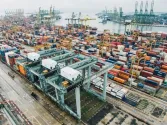
Singapore’s construction ecosystem depends significantly on imported materials such as steel, cement, and prefabricated components. When global conflicts disrupt supply routes or push up energy prices, the knock-on effects ripple quickly through the industry. Transportation costs rise, lead times lengthen, and pricing becomes less predictable.
Historically, some of these risks could be mitigated through contractual mechanisms or passed along through variation claims. Today, however, the competitive nature of the market and the pressure to meet delivery timelines means contractors are increasingly absorbing these higher costs.
This shift is fundamentally altering project economics. For ongoing projects, fixed-price contracts agreed before cost spikes are now putting severe pressure on cash flow and profitability. Margins that were already thin are being eroded further as contractors honour commitments despite rising expenses.
For new tenders, uncertainty is reshaping bidding strategies. Contractors must decide whether to include contingencies, risking uncompetitive bids, or to accept greater exposure in order to secure projects. Developers, on the other hand, face higher tender prices and more complex negotiations around risk allocation.
The result is a more cautious and intricate contracting landscape, where pricing, financial resilience, and risk-sharing are constantly being recalibrated.
The shift from cost management to delivery control
In this environment, managing costs alone is no longer sufficient. The ability to absorb external shocks increasingly depends on how effectively firms can control project delivery.
Delays, rework, and variations, long-standing challenges in construction, now carry amplified financial consequences. A single delay can cascade into extended labour costs, idle resources, and contractual penalties. When combined with rising material and freight prices, these inefficiencies can quickly turn a viable project into a loss-making one.
This makes visibility and control over day-to-day operations critical. Contractors need real-time insight into site activities, progress tracking, and issue resolution. Early identification of delays, systematic management of variations, and accurate documentation of changes are no longer optional. They are essential to maintaining profitability.
Without these capabilities, firms are effectively navigating a volatile environment without a clear view of where risks are emerging or how they are impacting project outcomes.
The hidden costs of eroding margins
Whilst rising input costs are highly visible, some of the most significant financial pressures remain hidden within project workflows.
Poor documentation is one such factor. Incomplete site records, missing approvals, or fragmented communication can make it difficult to substantiate claims for additional costs or time extensions. This often leads to disputes, delayed payments, or rejected claims – costs that contractors ultimately bear.
Late-stage changes further compound the issue. Design modifications or scope adjustments that are not properly tracked can result in rework, wasted materials, and scheduling disruptions. Even minor inefficiencies, when multiplied across large-scale projects, can quietly erode margins.
Disputes themselves also carry a substantial but often overlooked cost. Beyond legal expenses, they consume valuable management time, strain relationships between stakeholders, and delay project completion. In a high-cost environment, these indirect impacts can be just as damaging as direct price increases.
Collectively, these hidden costs highlight a critical issue: Inefficiencies that were once tolerable are now margin-critical.
Digital platforms as a strategic imperative
To address these challenges, the industry must move beyond traditional practices and embrace a more data-driven approach to project management. Digital construction platforms are emerging as a key enabler of this shift.
By centralising project information and workflows, digital platforms provide real-time visibility across all stages of construction. Site teams can capture updates, issues, and documentation directly from the field, ensuring that data is accurate, timely, and accessible.
This transparency enables faster and more informed decision-making. Delays can be identified early and mitigated before they escalate. Variations can be tracked and approved systematically, reducing the likelihood of disputes. Documentation is standardised and stored in a single source of truth, strengthening accountability and supporting claims processes.
Crucially, digital platforms also enhance financial control. With real-time insights into project performance, contractors and developers can monitor cost impacts as they occur, rather than reacting after the fact. This allows for proactive management of budgets, timelines, and resources, even in the face of unpredictable external pressures.
For developers, improved visibility translates into better oversight and greater confidence in project delivery. For contractors, it provides the tools needed to protect margins and maintain operational efficiency.
Building resilience for the future
The construction sector is entering a period where resilience is just as important as efficiency. Firms that can absorb cost volatility without compromising on quality or timelines will be better positioned to succeed.
Achieving this resilience requires more than short-term adjustments. It calls for a fundamental shift in how projects are planned, executed, and monitored. Better data, stronger processes, and widespread adoption of digital tools will be essential in navigating an increasingly uncertain landscape.
In Singapore, where construction underpins critical infrastructure and urban development, this transformation is particularly urgent. As global uncertainties persist, the industry’s ability to manage risk effectively will shape not only individual project outcomes but also long-term sector stability.
Rising costs may be an external challenge, but how the industry responds is firmly within its control. By improving visibility, tightening execution, and embracing digitalisation, contractors and developers can turn volatility into an opportunity to build a more resilient and future-ready construction sector.
























 Read Here
 Advertise
 Sign Up