Singapore’s carbon tax, MEI set tone for APAC real estate: report
Energy efficiency (44%) and renewable energy (43%) top the list of “non-negotiable” features investors seek.
Singapore’s tightening climate regulations are playing a growing role in real estate investment decisions across Asia Pacific, with investors increasingly factoring in energy efficiency and carbon exposure, according to a report from JLL.
Key measures include a carbon tax of US$18.62 per tonne of CO₂e in 2025 and a Mandatory Energy Improvement (MEI) regime taking effect in Q3 2025, which will require the most energy-intensive buildings—those in the top 25% over three consecutive years—to conduct energy audits and implement upgrades or face penalties.
Singapore is also amongst the early adopters of the ISSB sustainability and climate disclosure standards in the region.
These regulatory shifts are reflected in investor behavior. The survey found that 91% of respondents considered sustainability in deal decisions over the past year, and 63% saw direct impacts on bid values.
Nearly half of office-focused investors increased offers for assets with strong green credentials.
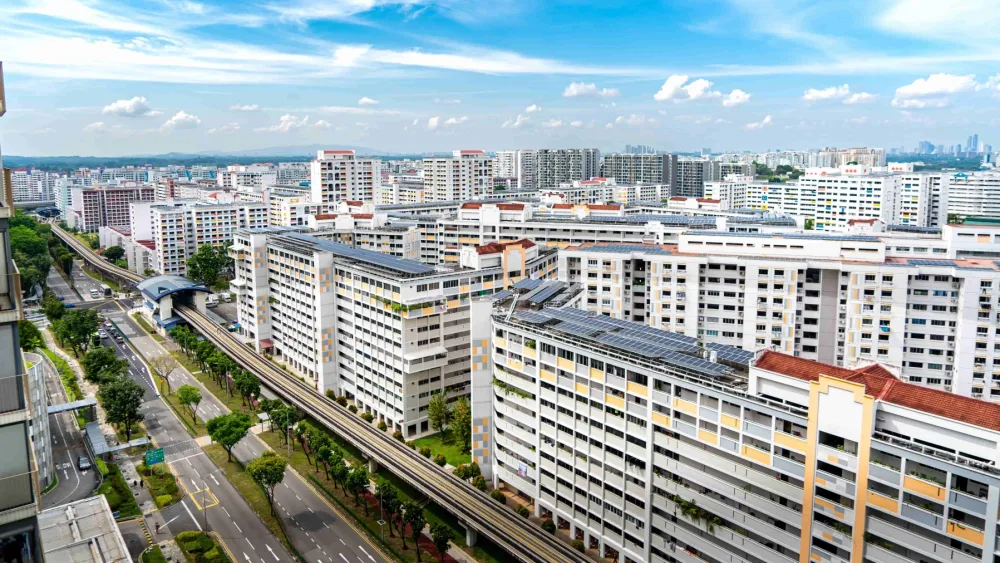
Looking ahead, energy efficiency (44%) and renewable energy (43%) top the list of “non-negotiable” features investors seek in acquisitions over the next three years.
Two-thirds of investors plan to implement smart-building technologies, whilst 51% plan to install on-site renewables. Notably, 43% said they would only buy assets with renewable energy access.
Short-term investment is still constrained by macroeconomic uncertainty, cited by 52% of respondents as the top two-year headwind.
But over a five-year horizon, 44% of investors expressed concern about asset devaluation due to non-compliance or inability to meet tenant sustainability demands—signalling growing weight on regulatory alignment and data transparency.
JLL noted that two in three investors expect lower energy costs from sustainable upgrades, whilst 48% view carbon pricing volatility as a risk they’re actively mitigating.
























 Read Here
 Advertise
 Sign Up