SBF backs task force to assess tariff impact on business
A bigger trade war could drag the economy, where the trade-to-GDP ratio exceeds 300%.
The Singapore Business Federation (SBF) has welcomed the formation of a National Task Force, led by the Ministry of Trade and Industry (MTI), to assess the business impact of the latest reciprocal tariffs and develop response strategies.
This comes in the wake of new US tariffs and China’s retaliatory measures, which SBF described as deeply concerning for the business community.
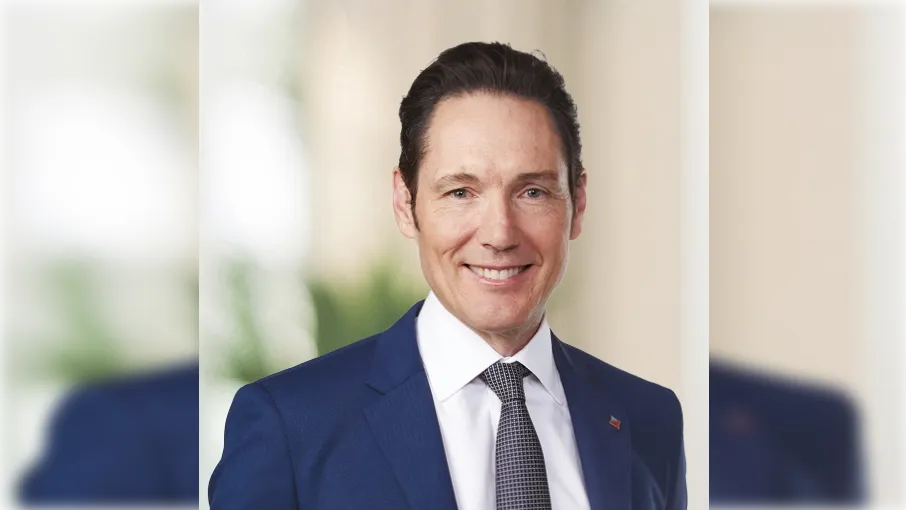
SBF CEO Kok Ping Soon said the task force is a timely move, particularly given the uncertainty and disruption already voiced by businesses.
Although Singapore is subject only to the 10% minimum base tariff under the US regime—the most favourable rate—the broader effects of higher tariffs imposed on economies like Malaysia, Indonesia, and China are expected to ripple through Singapore’s economy.
Kok added that a broader trade war could negatively affect Singapore’s economy, where the trade-to-GDP ratio exceeds 300%.
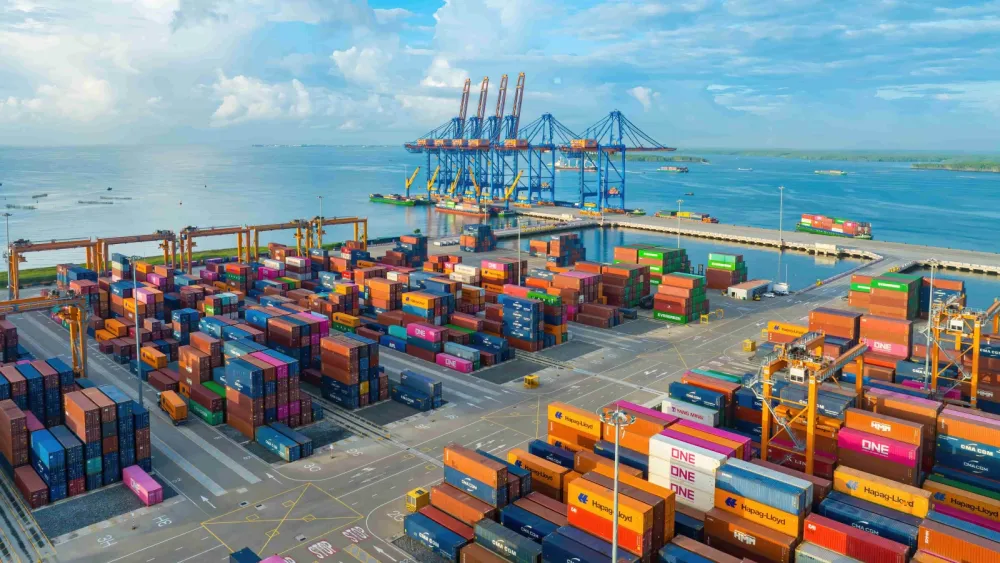
Key sectors such as logistics, wholesale trade, and financial services may see declines, which could also affect domestic businesses due to weaker demand and price increases.
Kok noted that whilst tariffs function like a tax, the economic burden will depend on who holds the pricing power in the supply chain.
SBF advised companies to focus on compliance and supply chain risk, and to re-evaluate their dependence on the US market.
Kok also called on businesses to look at market opportunities within the region and through trade corridors under existing Free Trade Agreements, including RCEP.
He said the current climate offers an opportunity for ASEAN to review non-tariff barriers to promote intra-regional trade.
To support this effort, SBF’s Centre for the Future of Trade and Investment (CFOTI) will launch a business survey on 11 April to collect industry feedback.





















 Read Here
 Advertise
 Sign Up