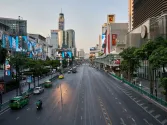
Singapore needs 5,600ha more land supply by 2030
It's to support the targeted population of 6.9m.
According to the Land Use Plan of the Ministry of National Development, The Population White Paper (Jan 2013) has projected that Singapore could have a population of between 6.5 and 6.9 million by 2030. This will require 76,600ha of land, an increase from the current supply of 71,000ha.
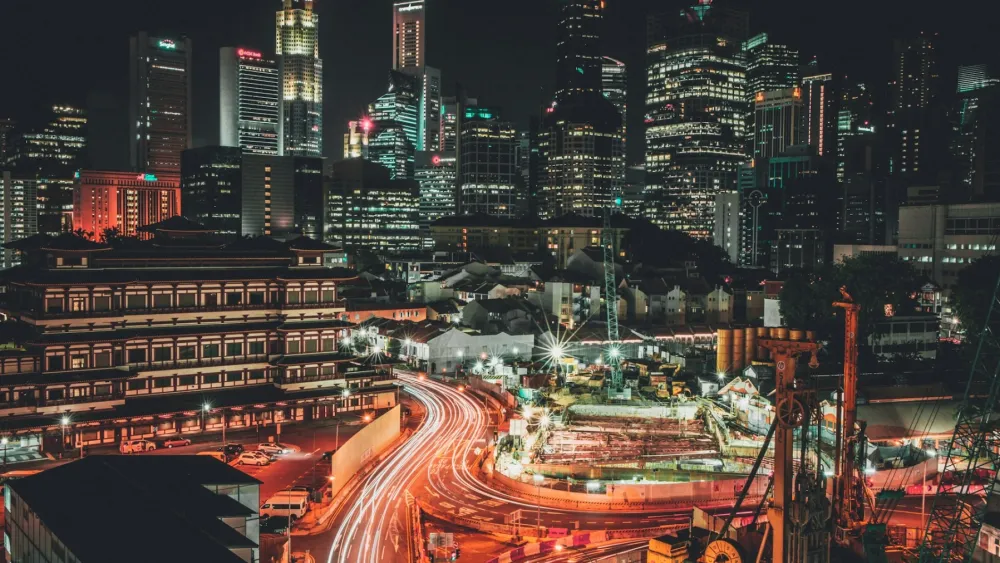
To support this larger population, Singapore needs to (a) reclaim additional land; (b) develop some of its reserve land; (c) intensify new developments; and (d) recycle land with lower intensity uses such as old industrial areas and some golf courses to achieve higher land productivity.
By 2030, more than half of Singapore's land (58%) will be allocated to uses which enable the populace to live, work and play in a high quality environment.
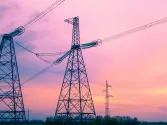
These uses include housing, services and manufacturing jobs, facilities and amenities, as well as green spaces such as parks and nature reserves, essential services and utilities like water and electricity. 19% of our land will support mobility within Singapore and connectivity to the rest of the world. Another 19% of its land will be for its defence needs.
Beyond 2030, Singapore will still have room for growth through further land reclamation. There will also be opportunities to further optimise and redevelop its land. For example, it can look forward to the development of new growth corridors both in the north (from Woodlands to Punggol) and in the south (from Tanjong Pagar to Pasir Panjang Terminal).
























 Read Here
 Advertise
 Sign Up