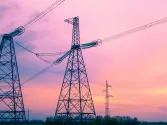
Keppel moves closer to 2050 net-zero with sharp emissions drop
It also increased RE use in 2025.
Keppel Ltd. moved closer to its 2050 net-zero target for operational emissions after cutting Scope 1 and 2 emissions by 87.6% from its 2020 baseline, according to its sustainability report released on 28 May.
The asset manager also increased renewable electricity use to 60.8% in 2025 and expanded its renewable energy portfolio to 4.7 gigawatts (GW).
Scope 1 emissions refer to greenhouse gases generated directly from assets and operations under a company’s control, whilst Scope 2 emissions cover indirect emissions from purchased electricity, heating, and cooling.
Keppel’s report showed Scope 1 emissions fell 97% from the 2020 baseline, whilst Scope 2 emissions declined 85%.
Renewable sources made up 60.8% of the electricity used across its operations in 2025, up from 40.7% the previous year with the company targeting 100% renewable electricity use by 2030.
Its renewable energy portfolio also increased from 3.8GW in 2024 to 4.7GW, including projects under development with a target of 7GW by 2030.
CEO Loh Chin Hua said in the report that the company continues to integrate sustainability into its operations and investment strategy amidst ongoing geopolitical and macroeconomic volatility.
Keppel, however, reported an increase in Scope 3 emissions, which rose 11.1% year on year (YoY) to 6.7 million tonnes of carbon dioxide equivalent.
Scope 3 emissions cover indirect emissions across a company’s value chain, including suppliers and the use of sold products.
The company said the increase was mainly due to higher natural gas sales, alongside one-off accounting linked to the divestment of an office complex in India.
Keppel said the majority of its Scope 3 emissions remain tied to the sale and use of natural gas.
The company added that its projects contributed 1.12 million tonnes of carbon dioxide equivalent in avoided emissions in 2025.
These included a waste-to-energy plant in Qatar, upgrades to the Keppel Merlimau cogeneration plant in Singapore, and Green Mark-certified data centres.
In Singapore, Keppel said the country’s first hydrogen-compatible advanced combined cycle power plant Keppel Sakra Cogen Plant remains on track for completion in the first half of 2026.
Other projects include a study on a low-carbon ammonia power generation and bunkering solution on Jurong Island, as well as the development of Singapore’s first floating data centre cooled by seawater.
Separately, Keppel secured $1.37b in sustainability-linked financing in 2025, bringing the total raised under its financing framework to $5b since its launch in 2024.
The company also reported generating more than $7.5b in economic value during the year.

























 Read Here
 Advertise
 Sign Up