For elusive crypto clarity, the world turns to Singapore
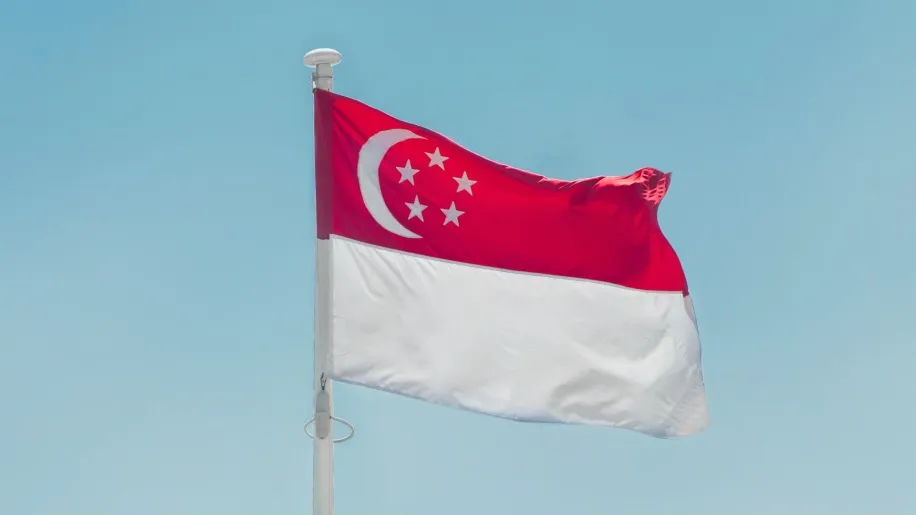
By Diogo Mónica and Moses LeeLast year, the collapse of Three Arrows Capital unfairly tainted Singapore’s reputation, among some casual observers, when news outlets across the globe reported the failure of a major “Singaporean” crypto hedge fund. In reality, it wasn’t representative of Singapore at all.
Singapore, perhaps more than any country in the world, is known for its practical rules that create a stable and fair regulatory environment. So one might ask, How could a failure like this happen? As Ravi Menon, Managing Director of the Monetary Authority of Singapore (MAS) said in a speech announcing their annual report,
“These so-called ‘Singapore-based’ crypto firms have little to do with crypto-regulated regulation in Singapore.” Three Arrows Capital was not regulated under the Payment Services Act. They didn’t follow Singapore’s rules and didn’t apply directly to MAS.
The real crypto community in Singapore is defined by MAS’ regulatory forethought and clarity that has been relatively elusive elsewhere in the world. For example, in the U.S., although digital asset custody services are more clearly regulated, much uncertainty still exists over fundamental questions such as legal definitions for the different kinds of digital assets and which regulator has the respective jurisdiction over them. That stands in stark contrast with MAS, a single central regulator for all financial services in the country. MAS offers much-needed regulatory consistency in an often unclear global environment.
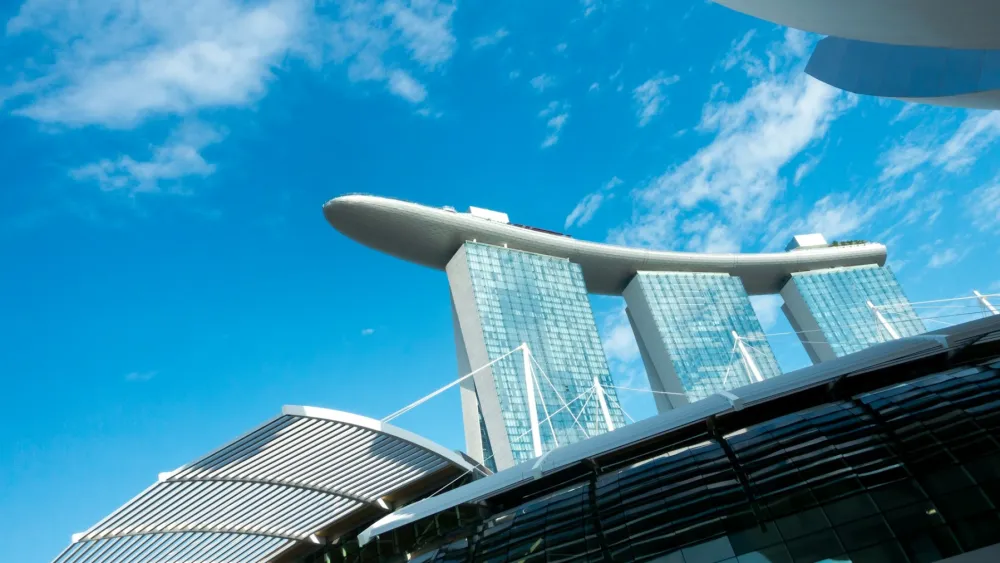
According to the 2023 Global Financial Centres Index, Singapore is the most competitive fintech hub in Asia. That’s why it’s no surprise that PwC found 6% of the world’s crypto funds are based in Singapore and CoinDesk ranked Singapore as the second leading crypto hub for 2023.
When MAS passed the Payment Services License Act in 2020, it was the first regulator in the region to offer an official framework for digital assets, making Singapore an attractive destination for crypto firms looking to expand globally. Amid regulatory uncertainty in other hubs, the industry has flocked to acquire licensure in this well-regulated and efficiently governed system.
Many big names have already made this shift, looking to expand globally into other strategic hubs to find more suitable regulation. This year alone, Circle, Paxos, Sygnum, Ripple, and Crypto.com, among others, have all announced in-principle approvals and licenses to operate in Singapore from MAS.
Singapore offers a high level of regulatory clarity that institutional clients can trust. Further, Singapore offers the right regulatory balance that’s the sweet spot to both promote crypto innovation and expansion globally, while offering robust consumer protections.
MAS is a prudent regulator and has warned the public about the potential risks of crypto, while still acknowledging the immense benefits and opportunities. With a clear licensing and regulatory framework, strong consumer protections, and a strategic location in Asia, Singapore checks the boxes to solidify its standing as the hemisphere’s premiere financial hub in the new digital economy.
It’s time the world puts issues of the past firmly behind us and sees a Singapore defined by appropriate digital asset rule-making. A Singapore that leads a path forward that the rest of the world can learn from. A Singapore that serves as a global bastion of regulatory clarity and innovation. That’s the real future of crypto in Singapore––and a future in which we are proud to take part.




















 Read Here
 Advertise
 Sign Up