Healthcare providers urged to bank on data to realise full value: KPMG
Over four in five executives expect to deploy agentic AI within the next year.
Healthcare providers are being urged to treat data as “capital” rather than a byproduct, investing in governance, interoperability, and integration of clinical, operational, and patient-generated information.
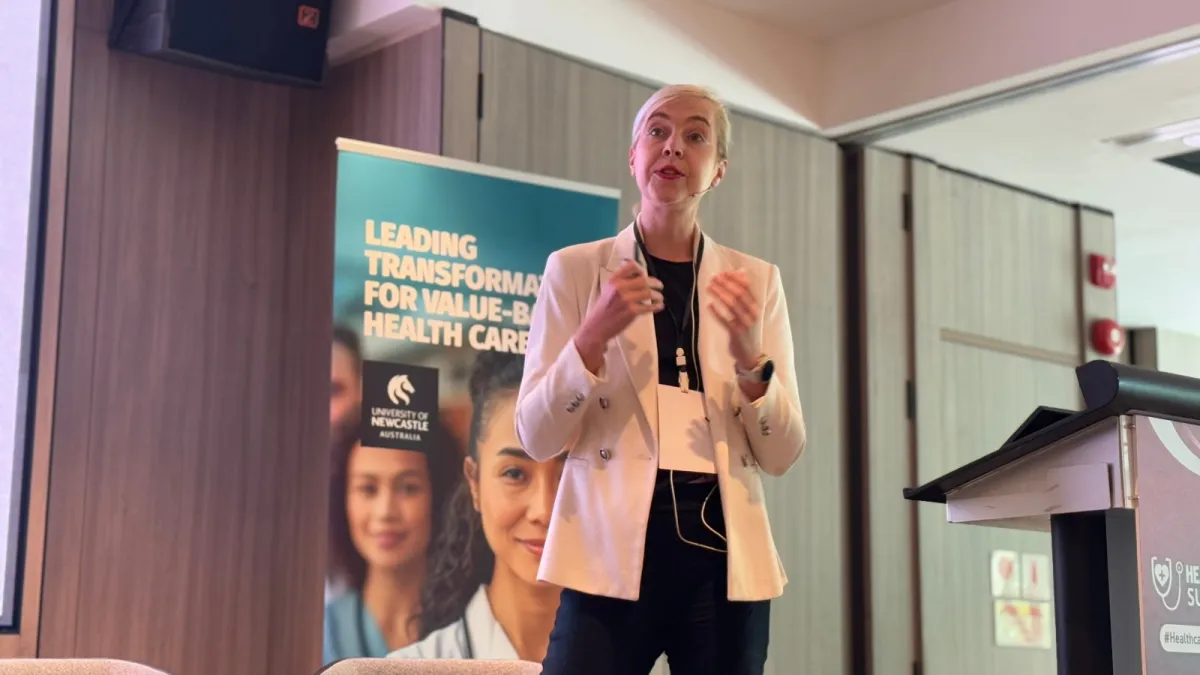
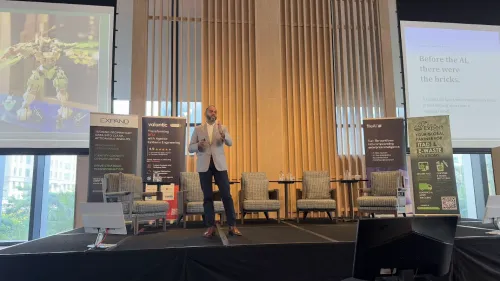
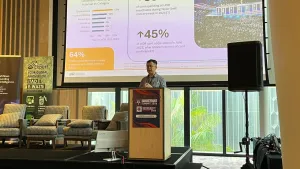
The sector’s data continues to grow rapidly, yet most providers struggle to extract meaningful value, said Anastasia Miros, Head of Digital, Data and AI, Life Sciences, and Asia Pacific Director for Healthcare & Lifesciences at KPMG.
“At the moment, I would argue that data is a byproduct. It’s stored in silos,” she told the Healthcare Asia Summit in Singapore.
Over 80% of healthcare executives expect to deploy agentic artificial intelligence (AI) within the next year, with 60% having budgets allocated for it.
However, Miros noted that the single biggest challenge cited in implementing these initiatives is data itself. “Data in silos, its quality, privacy, and governance.”
She added that hospitals generate over 50 petabytes of data each year, yet fewer than 40% of organisations can make even basic decisions from it.
Meanwhile, only around 20% of data is structured, with the remainder fragmented across different systems and formats.
Miros stressed the need for representative, connected data. “The US National Institutes of Health (NIH) provides a strong example.”
The organisation combined clinical and wearable datasets to provide a more comprehensive representation of the patient population.
“This approach does not only focus on the broad majority; it also addresses typically underrepresented groups in clinical trials,” she added.
To guide organisations, she outlined a four-tier framework for bankable data: foundational, quality premium, market premium, and structural bankability.
Foundational data ensures quality and trust, whilst quality premium focuses on lineage and granularity. Meanwhile, market premium incorporates multimodal integration and privacy, and structural bankability involves legal stewardship and repeatable commercial frameworks.
Miros concluded with the 5C approach—clarity, change, connection, confidence, and continuous design. “Data is a core asset. Treat it as such, invest in it as such, and you will reap the rewards.”




















 Read Here
 Advertise
 Sign Up