Construction enters multi-decade supercycle as BCA sees $47b–$53b 2026 demand
Mega projects like Changi T5 and MRT lines are driving growth.
Singapore’s construction industry is entering a multi-decade supercycle, driven by a robust pipeline of long-term infrastructure projects and steady housing demand, DBS said.
According to the Building and Construction Authority (BCA), total construction demand across public and private sectors is projected to reach $47 to $53b in 2026, comparable with the preliminary $50.5b estimated for 2025.
The sustained demand is underpinned by ongoing megaprojects and a steady flow of residential and industrial developments.
Over the medium term, BCA expects total construction demand to remain elevated at $39 to $46b per year, extending the strong upcycle that began in 2024.
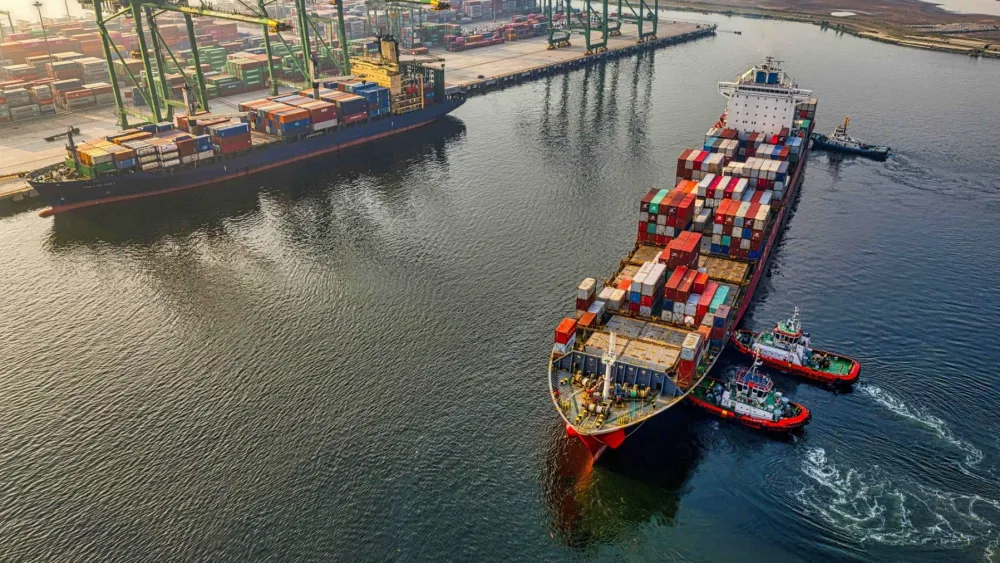
Major projects supporting the sector include Changi Airport Terminal 5, Cross Island MRT Line (Phase 3), the renewal of MRT signalling systems, redevelopment of National University Hospital, Integrated Waste Management Facility (Phase 2), and Phase 3 expansion of Changi Water Reclamation Plant, amongst others.
DBS also said that institutional building, civil engineering, and commercial construction are expected to drive long-term demand. Institutional building construction is projected to remain the largest segment in 2026, accounting for around 40% of total building demand at $13.5 to $15.3b.
Key drivers include Changi Airport Terminal 5, Tengah General and Community Hospital, Home Team Tactical Centre (Phase 3A), recreational facilities at Resorts World Sentosa, and various bus depot developments and upgrading projects.
Civil engineering demand is forecast to reach a record $11.6 to $13.4b, led by MRT projects such as the Downtown Line 2 Extension and Thomson–East Coast Line Extension, alongside Terminal 5 infrastructure works, new berths and stacking yards at Tuas Terminal, major roads, viaducts, and cycling paths.
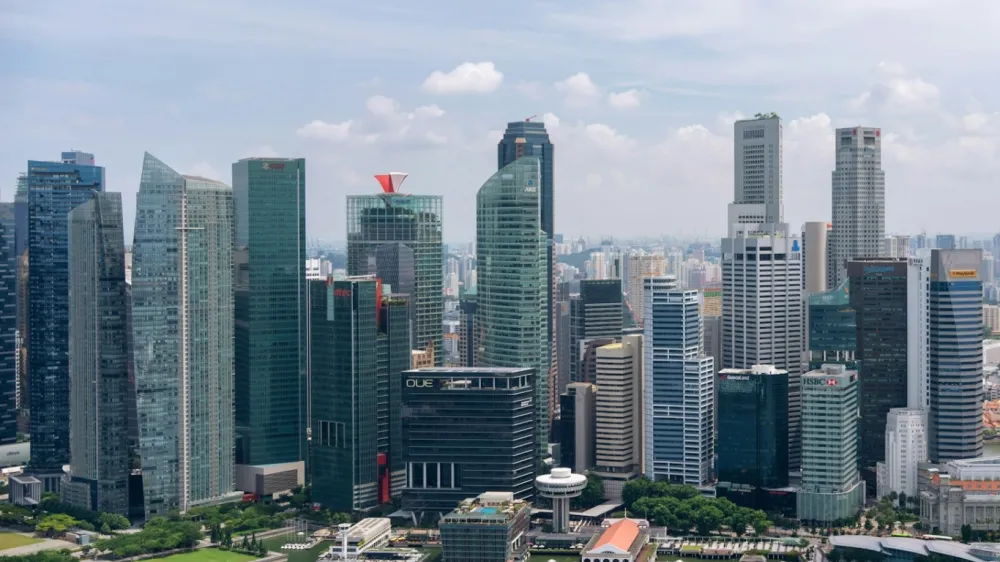
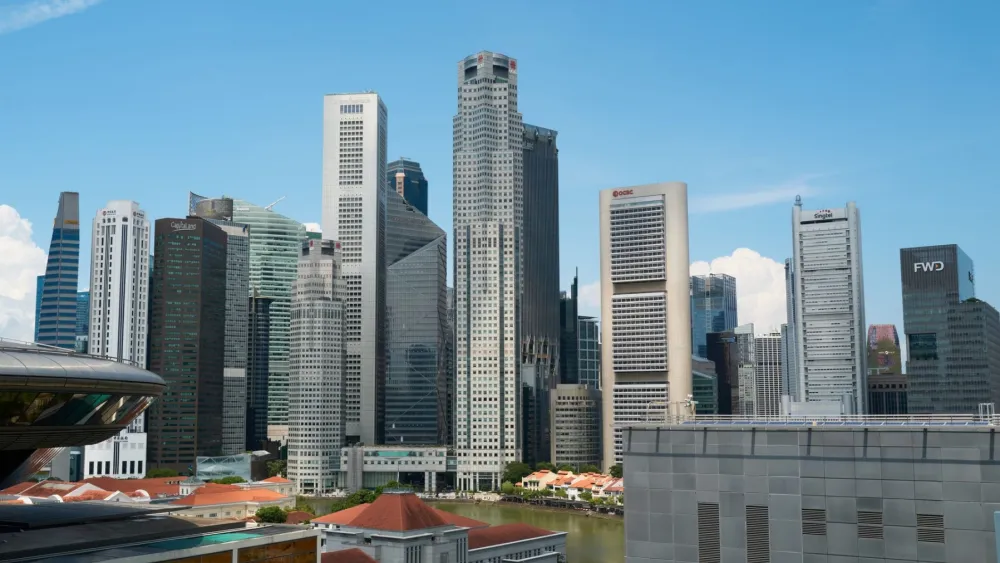
Commercial building demand is set to jump from $2.2b in 2025 to $6.1 to $6.7b in 2026, driven by the Marina Bay Sands Integrated Resort expansion, ongoing upgrades to existing towers, and redevelopment projects at Tanglin Shopping Centre and HarbourFront Centre.
Public housing demand continues to underpin residential construction. The Housing & Development Board (HDB) plans to launch around 19,600 Build-to-Order (BTO) flats in 2026, contributing to a total of around 55,000 units over 2025 to 2027.
Public housing upgrades through the Home Improvement Programme ($407m) and Neighbourhood Renewal Programme ($165m) are also expected to bolster construction activity.
On the private front, the first half of 2026 Government Land Sales (GLS) programme includes 4,575 units, 43% higher than the 2021–2023 average, bringing the overall residential pipeline to over 57,000 units for 2025–2027.
Key upcoming projects include Chuan Grove Residences, Telok Blangah Residences, Pinery Residence at Tampines, and condominiums at Chencharu Close, Bayshore Road, Dunearn Road, and River Valley Road.
Meanwhile, industrial construction demand is expected to remain broadly in line with 2020–2024 levels at $4.6b to $5.4b in 2026. This includes biomedical pharmaceutical plants in Tuas, a high-tech warehouse and distribution centre at Sungei Kadut, a data centre at Changi, and new contracts for the Tuas Water Reclamation Plant under the Deep Tunnel Sewerage System (Phase 2).
Singapore’s construction supercycle is boosting activity across the value chain, although earnings outcomes vary across sub-sectors. Sectors with strong pricing power include ready-mix concrete suppliers and worker accommodation operators, supported by tight domestic conditions and structural demand.
Contractors and heavy engineering players benefit from operational leverage, with multi-year order books and disciplined project execution. Key risks to the sector include labour policy tightening, material cost volatility, steel price fluctuations, and potential geopolitical disruptions.
According to a CGS International report, earnings in Singapore’s construction sector are now expected to peak between financial year 2028 forecast (FY28F) and FY29F, extending beyond earlier forecasts of FY27F to FY28F.
The report projected target prices could rise up to 24%, whilst valuations for most companies remain below historical averages. CGS anticipates a longer construction upcycle, driven by strong contract awards in 2025 and 2026 and sustained elevated activity over the next four years.
DBS remain optimistic about the construction sector, citing strong demand visibility, improved pricing discipline, and structurally higher activity levels, though margins are expected to vary between sub-sectors.






















 Read Here
 Advertise
 Sign Up