Manufacturing outlook dims amidst trade strains
The chemicals cluster is the most pessimistic.
Business sentiment in the manufacturing sector has grown more cautious amid trade tensions and tariff uncertainty.
According to EDB Singapore, 19% of manufacturing firms foresee a weaker business in the next six months, whilst more than 13% expect business conditions to improve.
Overall, 6% of manufacturing firms anticipate a less favourable business situation from April to September 2025.
The transport engineering cluster is the most optimistic, with 14% of firms anticipating positive business prospects in the next six months, mainly due to strong demand in the aerospace segment, which is benefiting from increased global and regional air travel.
General manufacturing firms are also hopeful, with 4% expecting improvements, driven by anticipated demand for construction materials from the domestic construction sector.
In contrast, the biomedical manufacturing cluster foresees a deterioration in business outlook in the upcoming six months with 8% of firms, including those in pharmaceuticals and medical technology, expecting conditions to worsen due to ongoing trade tensions and uncertainty surrounding tariffs.
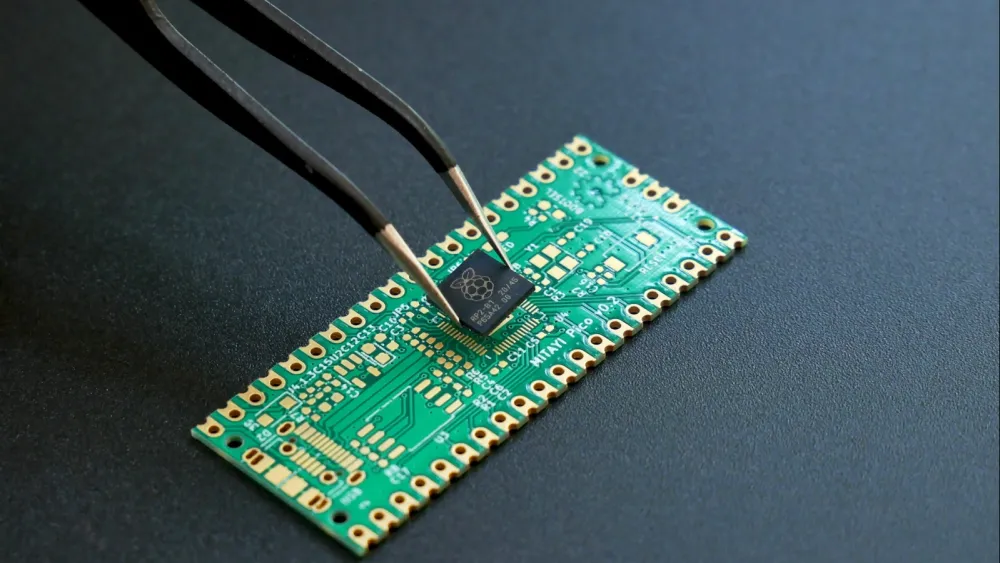
Business sentiment in the electronics cluster has turned negative, with 9% of firms, particularly in the semiconductor segment, concerned about the potential fallout from new tariffs and the impact on global chip demand and supply chains.
The chemicals cluster is the most pessimistic, with a net weighted balance of 22% of firms projecting business conditions to deteriorate from April to September.
Firms in the petroleum and petrochemicals segments opine that increased trade uncertainty could adversely affect the export demand for their products.
Despite the gloomy outlook, 71% of manufacturers still plan to invest in plant and machinery in the next twelve months, of which a weighted 55% of firms expect higher or similar levels of capital expenditure compared to the preceding twelve months.
The planned investments are largely for the replacement of worn-out equipment and the installation of new production technology.

























 Read Here
 Advertise
 Sign Up