Monday Wrap: AI growth, telecom pressure, and export scrutiny
AI lifts growth outlook as export checks tighten and telco rivalry stays intense.
Last week in Singapore Business Review, Singapore was urged to use AI to tighten export checks after a Nvidia chip rerouting case exposed control gaps, whilst the failed Keppel–Tuas M1 deal kept telecom competition high, and strong AI demand lifted Singapore’s 2026 growth outlook despite geopolitical and energy risks.
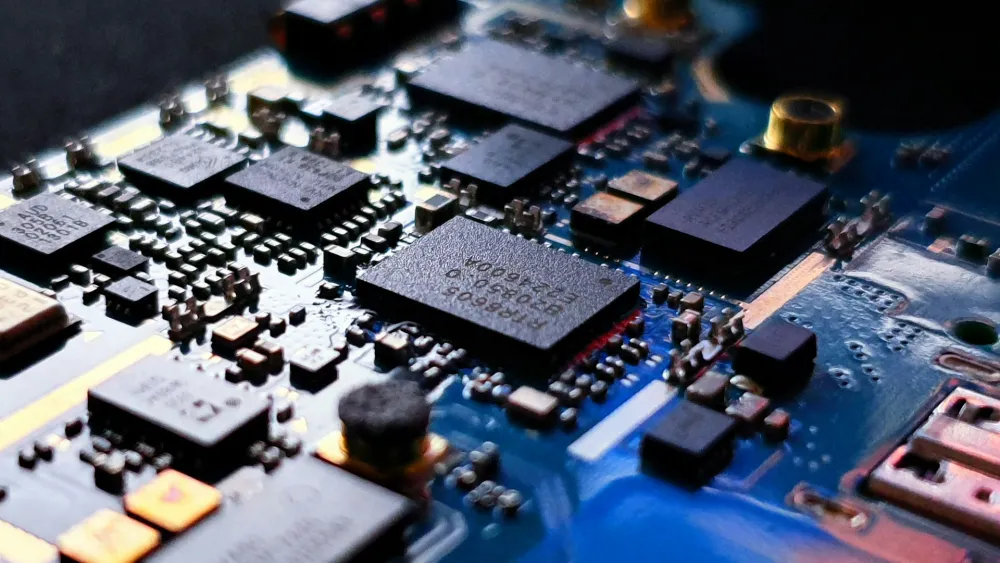
Singapore is facing pressure to tighten export controls after a $3.2b Nvidia chip case exposed gaps in shipment checks, with experts urging AI-based monitoring and stricter inspections for high-risk tech exports.
The failed $1.4b sale of M1 to Tuas could keep competition intense in Singapore’s telco sector, with analysts saying uncertainty over industry tie-ups may pressure profits and revive speculation around a possible StarHub bid.
Strong AI-driven demand has lifted Singapore’s 2026 growth outlook after a strong first quarter, although risks from Middle East tensions and rising energy prices could still weigh on the economy later in the year.
Singapore ranked second globally for AI use in the first quarter, with workers adopting generative AI faster than peers in most markets, although company-wide adoption still trails several economies and remains at an early stage.
Firms in Singapore are adopting more advanced AI than global peers, with a higher share using autonomous and multi-step systems, whilst also leading in deploying AI beyond their core industries.
The residential market slowed in the first quarter as new launches fell nearly 30%, whilst buyer demand remained firm and continued to outpace fresh supply for a second straight quarter.
Part-time job postings in Singapore have declined over the past two years with education remaining the top sector for flexible roles in April whilst finance recorded the lowest share.





















 Read Here
 Advertise
 Sign Up