Expert warns of higher cost of doing business in Singapore because of ABSD rate hike
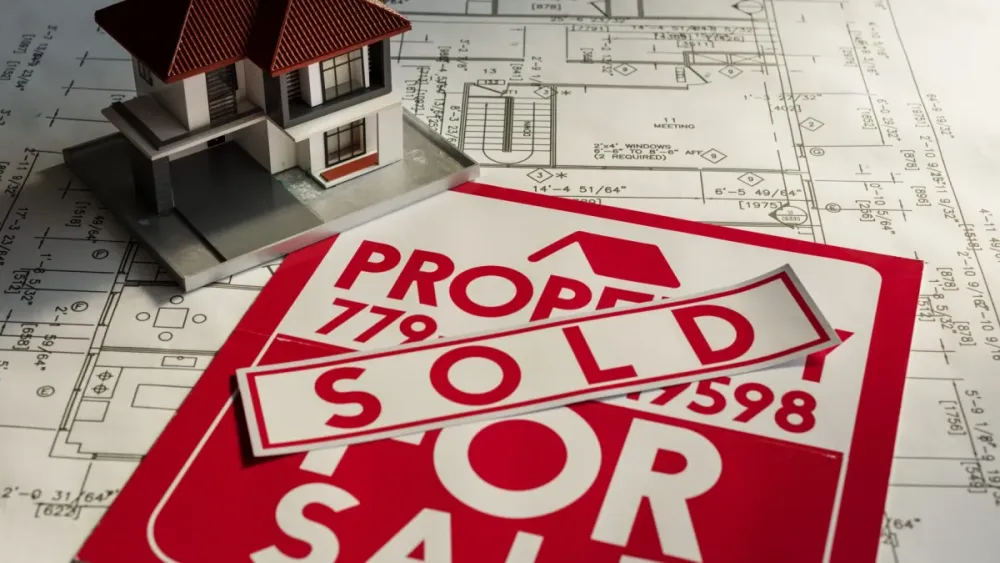
Government raised the ABSD rate for foreigners buying properties in Singapore from 30% to 60%.
The government’s move to increase the Additional Buyer Stamp Duty (ABSD) for purchasing property may create friction in the smooth functioning economy of Singapore, an industry expert at Savills has warned.
Alan Cheong, Savills Singapore’s head of research, said there will be a time when the availability of rentable properties for foreigners who come to Singapore for work will diminish. By dissuading Singaporeans and PRs who buy properties for investments, there will come a time when the ratio of available properties for rent relative to the size of the tenant market will decline.
“Over time, once economic recovery takes place, there will be an increase of foreigners coming here to work again. As the number of foreign workers coming here keeps increasing, by chasing investors into the residential market, we are actually crimping the supply of rentable properties and that will tighten up the rental market,” said Cheong. “The long term implication is, it just raises the cost of doing business here in Singapore.”
The hike in cost also restricts Singaporeans with money from investing in real estate, which prompted Cheong to ask: “Is it wrong [for them to invest] in real estate? Or buy real estate for their children? Why stop people from buying something that goes up in value?”
In his view, there should not be any additional measures on taxation of properties given that the total debt service ratio (TDSR) is already in place.
Earlier, the government said that it raised the ADSB to manage property investment demand.
Other options
With higher ABSD rates in place, Cheong advised investors to look beyond the private residential sector of Singapore.
“There are conservation shophouses, there are strata offices, whole office blocks, retail, there is also industrial and hotels. There’s no shortage of investable sectors in the sub sectors within the Singapore real estate market,” he said.
Meanwhile, for foreigners who still wish to buy properties in Singapore, particularly those who came to Singapore as a worker or professional, the expert from Savills advises them to wait a “bit longer” and rent an apartment first.
“Professionals who come here and contribute to the economy have [high] chances of getting permanent residency (PR). Once they get the PR, they just have to pay 5% ABSD,” he said.
Cheong dished out the same advice to ultra-wealthy foreigners, given that they have a better chance of obtaining permanent residency or Singapore citizenship. “Sit back, wait, and get legal advice on how to get your PR or citizenship. It takes time, maybe over a year, two years or three years,” he said.
“If it’s their first property purchase, they will then be levied with no ABSD if they got a Singapore citizenship, or an ABSD of 5% if they are a permanent resident,” he added.
However, he underscored that ultra wealthy individuals are “pretty inelastic to taxes,” so they will likely still pay 60% ABSD.
Unlike foreigners, Singaporeans are not as affected by the rate hike. But the hike will be “stingy” for citizens who plan to buy a second property.
“[Singaporeans, particularly] Gen X buy second properties on behalf of their children, because they want to set their children off on a better path,” Cheong said.
Instead of buying the properties on their children’s behalf, Cheong advised them to pass on the savings that they have amassed and let their children buy the properties themselves.
“If the children buy it as their first property, they will not [be charged an] ABSD,” he said.






















 Read Here
 Advertise
 Sign Up