City fringe condo prices catch up to prime areas in Q4
This comes as home sales in city fringe areas surged despite records high prices.
New home sales in the city fringed surged despite records high. As a result, the price difference between condos in the city fringe and prime areas narrowed by more than 15 percentage points within the year, the smallest price gap in over a decade, a report by OrageTee revealed.
1,859 new homes (landed and non-landing, excluding ECs) were sold in RCR in Q4 2024, rising significantly by 375.4% from 391 units in the preceding quarter. This represents the highest quarterly sales volume since Q3 2009. In terms of proportion of total new sales volume, 54.4 per cent were in RCR, 41.6% in OCR and 4% in CCR in Q4 2024. This is also the highest proportion of new sales in the RCR since the second quarter of 2023.
The high new sales volume recorded in RCR is considerable, given that the homes were sold at a new benchmark price within RCR.
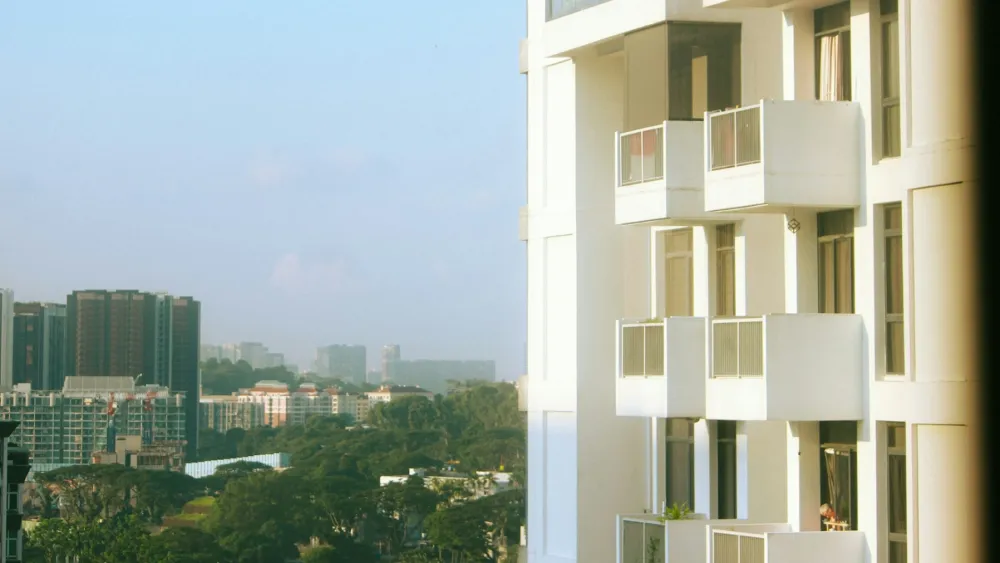
The report said that the average transacted price of new condos in the city fringe hit $2,670 psf in the fourth quarter of 2024, which marks the highest price per square foot since 1995. Comparatively, the average price of new condos in CCR dipped.
The price gap between new condos in CCR and RCR narrowed to 11.1% in Q4 2024, the lowest recorded since Q1 2013. The narrowing price gap indicates that more buyers recognise the value of city fringe homes and are increasingly willing to pay higher prices to live in this region.
The substantial increase in new home sales in the city fringe can be attributed to several new project launches. Of these projects, Emerald of Katong emerged as the best-selling new project in 2024.
Meanwhile, many new projects are expected to be launched this year, including several large-scale projects, each exceeding 500 units. New home transactions may rise from 6,469 units in 2024 to around 7,000 to 9,000 units in 2025. Conversely, the number of private home completions will dwindle further in 2025. As a result, resale volume might decrease from 14,053 units in 2024 to between 10,000 and 12,000 units in 2025.























 Read Here
 Advertise
 Sign Up