Expect regular fare adjustments under new bus contracting scheme: MOT
There’s no free lunch, asserts Minister Liu.
Commuters should expect regular fare changes under the government’s new bus contracting scheme, as the government seeks to strike a balance between subsidies and fare rates.
Speaking in Parliament yesterday, Minister for Transport Liu Tuck Yew asserted that the new bus contracting model will benefit consumers as bus operators will need to compete on the basis of costs and service quality.
“Regardless of industry model, the cost of the overall bus system has to be paid for either by commuters in the form of fares, or taxpayers in the form of Government subsidies. There is no free lunch. Therefore, we have to strike the right balance. The Government is committed to ensure the affordability of public transport fares. However, regular fare adjustments are still necessary to ensure the overall financial sustainability of the public transport system,” stated Liu.
Here’s more from the speech:
We have been studying this move as early as the Land Transport Master Plan in 2008. Under the current model, the public bus operators rely on their fare and non-fare revenues to pay for their operations and buy operating assets, such as buses.
When fare revenues are uncertain, as it has been in recent years, operators may be reluctant to expand capacity ahead of demand, or to improve service levels beyond regulatory standards on their own accord.
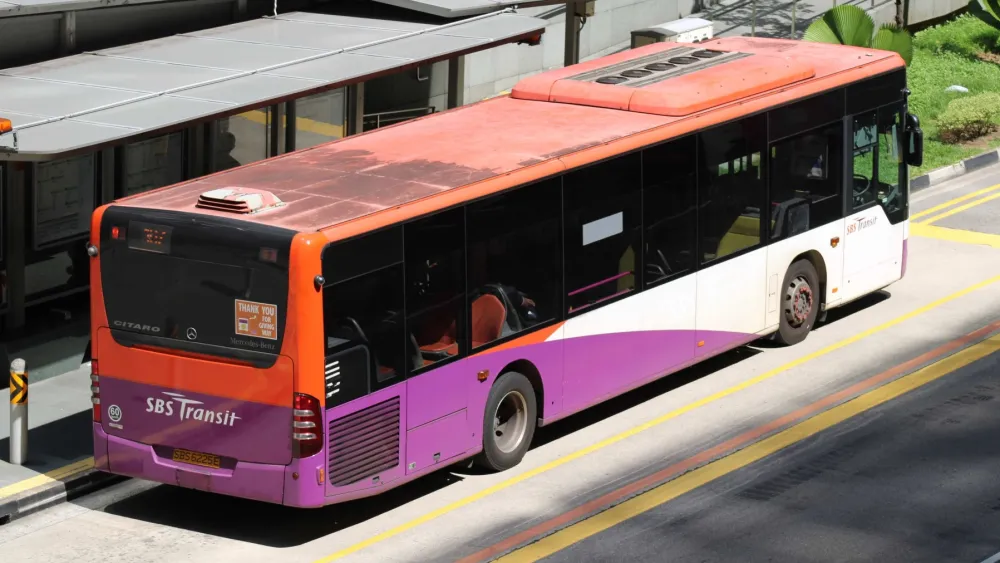
Under the Government Contracting Model, LTA owns the buses, plans the routes and engages private bus operators through competitive tenders to run the services.
This will enable us to respond more quickly and effectively to changes in ridership and commuter needs. The model also allows for more operators, potentially even overseas ones, to compete for the contracts.
Bus operators will need to compete on the basis of costs and service quality. Over time, this will lead to the provision of better bus services in a cost-competitive manner, thereby benefitting commuters.
Likewise new bus routes and higher service levels have to be assessed judiciously. Even today, we receive many requests to run bus routes that have low ridership.
From the point of view of the select few who benefit, these bus routes may be “necessary”. But if we run too many of these routes throughout the system, either higher fares, or more Government subsidies, will be required.






















 Read Here
 Advertise
 Sign Up