Building height limits to rise near airports from August 2025
Other updates include faster bus shelter approvals and cheaper drone permits.
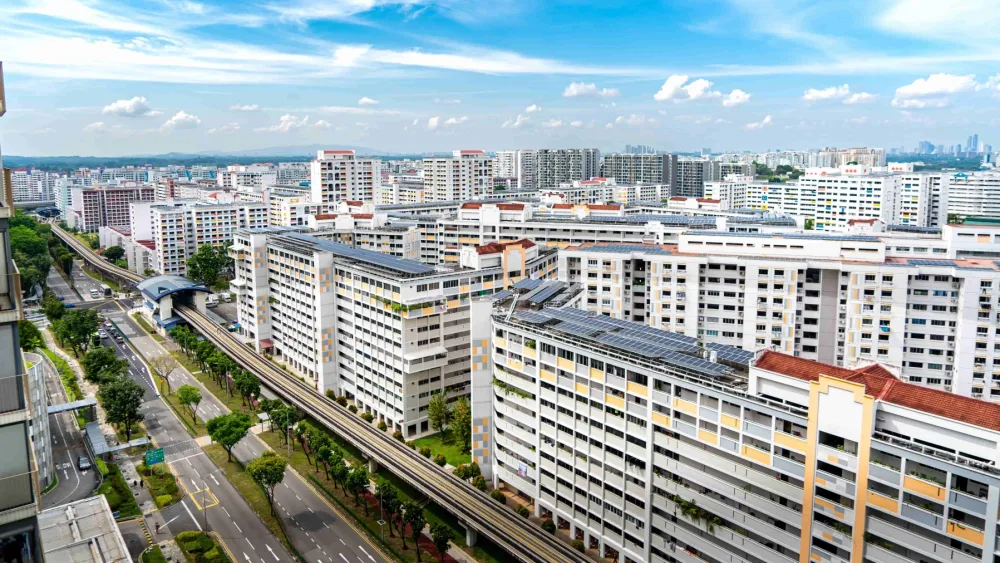
Singapore will raise building height limits near airports from August 2025 as part of new regulatory changes to improve land use and support business growth.
The move is amongst several pro-enterprise updates announced by Transport Minister Chee Hong Tat to enhance Singapore’s global competitiveness.
Led by the Civil Aviation Authority of Singapore (CAAS), the change will enable more intensive land use by increasing the allowable height for residential buildings near airports by up to 15 storeys, and for commercial or industrial buildings by up to nine storeys, subject to planning and technical checks.
This update follows revised aviation safety standards from the International Civil Aviation Organization (ICAO).
Chee said the changes would help intensify land use and create more opportunities for housing, businesses, and public infrastructure.
Other regulatory updates include faster bus shelter approvals, cheaper drone show permits, and simpler parking plan processes.
On land transport, the Land Transport Authority (LTA) has shortened the approval time for building bus shelters from 14 weeks to just four by streamlining processes and adopting modular construction methods.
LTA is also updating the Electronic Road Pricing (ERP) system: motorists with arrears will soon be notified directly via their vehicle’s On-Board Unit (OBU), allowing immediate payment without incurring a $10 fee or waiting for paper reminders.
Additionally, LTA will expand its parking plan lodgement scheme to allow immediate commencement of additions and alterations at residential, commercial, and mixed-use carparks.
In aviation, CAAS also reduced fees for drone light shows — from over $25,000 to just $500 for a 1,000-drone event — and removed outdated requirements such as individual drone stickers. These moves aim to lower costs and encourage innovation in entertainment and tourism.
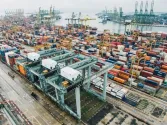
In maritime, the Maritime and Port Authority (MPA) waived security deposits for low-risk companies and introduced digital port tools to reduce ship waiting times.
Beyond process changes, MPA has introduced a digital twin of the Port of Singapore, giving shipping companies real-time insights into port activity.
He outlined three priorities, namely strengthening Singapore’s reputation as a trusted business hub, expanding global trade links, and continually improving rules to support enterprise.
Chee highlighted how Singapore’s "trust premium" — its stability, rule of law, and governance — continues to attract investments such as DHL’s $500m regional hub, which recently launched a new facility for pharmaceuticals in Singapore.
Maintaining this reputation, he said, requires consistent long-term planning, openness to talent and ideas, tripartite collaboration amongst government, employers and unions, and a rejection of xenophobic or divisive politics.
Singapore is also expanding its international trade network, with 28 free trade agreements (FTAs) and five digital economy agreements already in place.
To support businesses more directly, the government is reviewing and updating regulations across agencies under an inter-ministerial committee chaired by Deputy Prime Minister Gan Kim Yong. Key initiatives include reducing licensing times to within 30 working days where feasible, extending the validity of business licenses to three years, and simplifying approval processes to eliminate unnecessary steps.
Chee emphasised removing outdated rules and encouraged businesses to share feedback on regulatory pain points.
“Creating a pro-enterprise environment and helping our businesses, both large companies and SMEs, to reduce costs and do well is part of the Government’s mission,” said Chee.


















 Read Here
 Advertise
 Sign Up