Here's the only hurdle to SIA-Tata JV's take-off
Will the long wait be finally over?
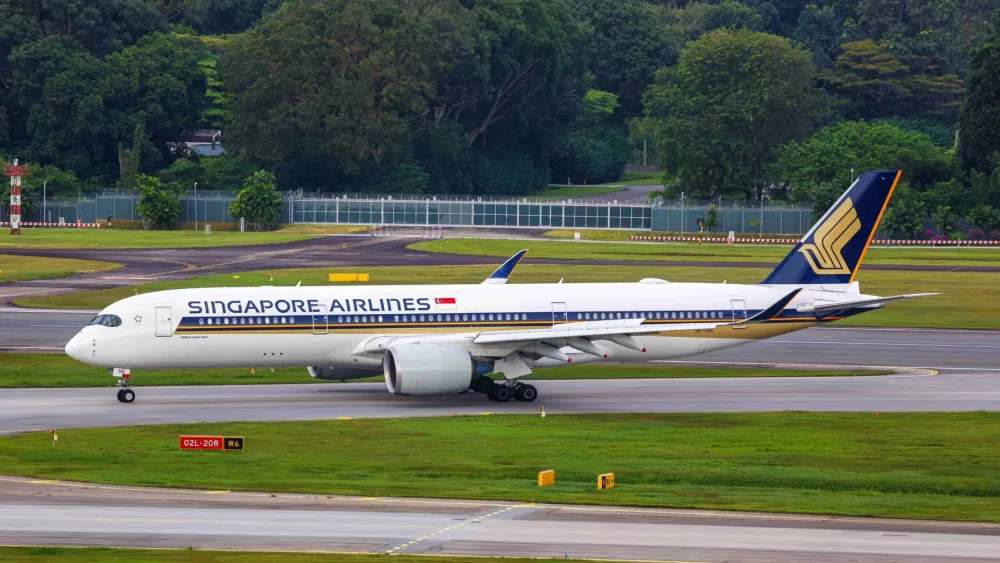
According to OCBC Investment Research, the Indian civil aviation ministry has cleared Tata SIA Airlines Limited (Tata SIA), the India JV between SIA and Tata Sons, and issued a no-objection certificate. There remains only one last hurdle - a formal airline licence from Directorate General of Civil Aviation (DGCA), the industry regulator.
Here's more:
This can take months and is meant for the airline to showcase its technical capabilities to start operations. In AirAsia India’s case, a JV between AirAsia Bhd, Tata Sons and businessman Arun Bhatia, they have waited for over six months since receiving the no-objection certificate in Sep-13.
JV as inroad into India’s growing air travel market CAPA estimates that SIA only has 4% market share of India’s international flight in FY13, leaving much room for growth.
We think Tata SIA can value-add to SIA on two fronts: 1) serving India domestically from its home market, and 2) using India as a base to serve the region. Since the JV can serve India domestically as well, SIA’s coverage will be extended and become more convenient for passengers as a one-stop service.
In addition, airline is a regulated industry whereby usually only third/fourth freedoms are given (i.e. only Singapore-India route allowed but not from India to other destinations). Hence, having this JV will allow flights between India and other parts of the world, thereby allowing SIA to tap on India’s growing air travel volume.


























 Read Here
 Advertise
 Sign Up