Passenger movements at Changi Airport slowed 2.5% to 4.49m
Socio-political factors weighing on travel demand.
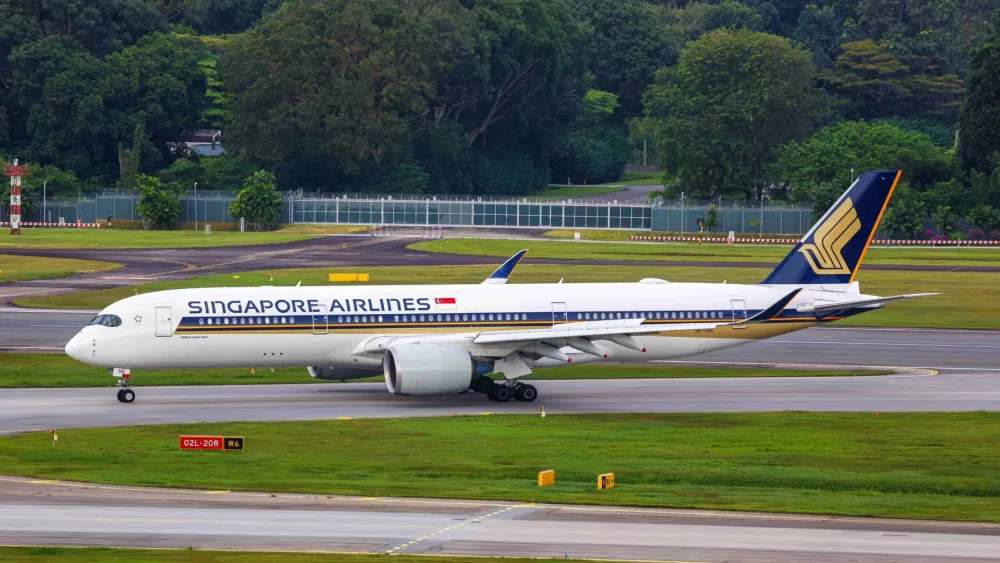
According to a release, Singapore Changi Airport managed 4.49 million passenger movements in March 2014, 2.5% lower than a year before. There were 29,100 landings and take-offs at Changi last month, a 2.5% increase compared to March 2013.
Socio-political factors continued to weigh down on travel demand on some routes while a reduction in long-haul capacity, especially to the United States, has also impacted passenger movements. Thailand traffic decreased for the fifth consecutive month, with traffic to and from Bangkok declining by 29% on-year in March.
In the first quarter of this year, 13.2 million passengers travelled through Changi Airport, 1.1% more than the corresponding period in 2013. Total flight movements for the first three months of 2014 grew 4.5% to 86,300. In January, Changi Airport welcomed new airline Lucky Air, adding a new city link – Guiyang in China – to its network.
On the cargo front, 169,800 tonnes of airfreight shipments were processed last month, a slight decline of 1.3% on-year. Cargo shipments were stable at 446,900 tonnes for the first three months of 2014.
As at 1 April 2014, more than 100 airlines operate at Changi Airport, connecting Singapore to 280 cities in some 60 countries and territories worldwide. With more than 6,800 weekly scheduled flights, an aircraft takes off or lands at Changi roughly once every 90 seconds.

























 Read Here
 Advertise
 Sign Up