AI chip demand drives 15.3% jump in exports as Middle East risks remain limited
Its impact is expected to manifest in the April or May trade data.
Singapore’s non-oil domestic exports (NODX) rose 15.3% year-on-year in March, driven by strong artificial intelligence-related demand for electronics, analysts at United Overseas Bank (UOB) said.
On a seasonally adjusted basis, NODX increased 3% month-on-month, slightly easing from February’s 3.9% growth but still reflecting solid momentum, UOB analysts noted.
Electronics exports led the expansion, surging 74.0% year-on-year in March, up from 49.7% growth in January to February. In contrast, non-electronics exports remained in contraction, slipping 0.6% after declining 4.9% in the first two months of the year.
UOB said the overall export performance exceeded Bloomberg consensus expectations of 8.1% growth and was close to its own 15% forecast.
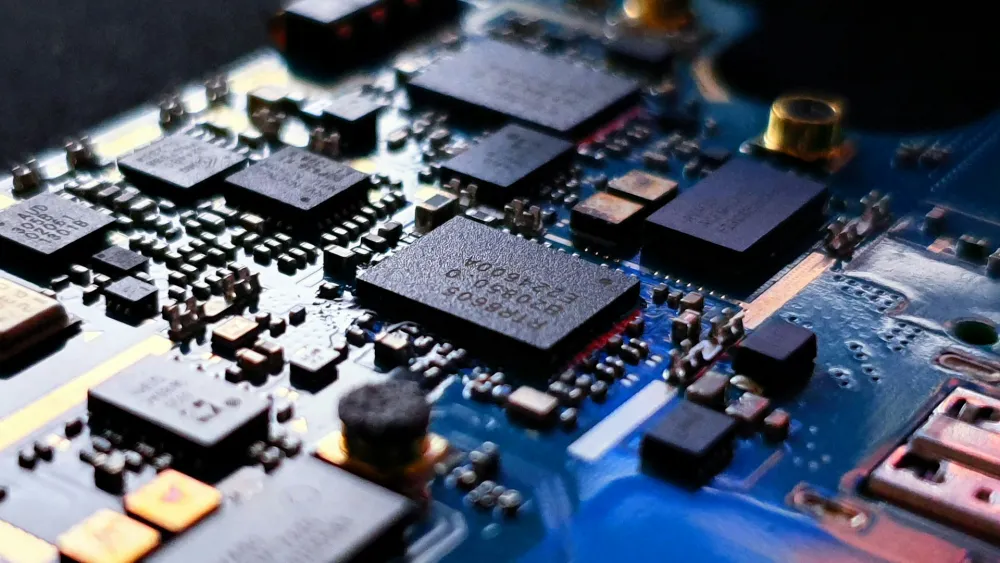
The bank attributed the strong electronics performance to continued AI-driven demand, particularly for integrated circuits, which jumped 113.8% year-on-year in March, accelerating from 65.6% growth earlier in the year.
UOB analysts said the shift from generative AI to agentic AI is increasing demand for memory and computational power, supporting semiconductor exports. As a result, electronics shipments to Taiwan surged 157.5% year-on-year, whilst exports to South Korea rose 112.4%.
Exports to the US declined 2.7% overall, although electronics shipments to the market rose 165.3%, partially offsetting a 27.6% drop in non-electronics exports.
Meanwhile, UOB noted limited signs of disruption from the Middle East conflict so far, as developments since late February have yet to be reflected in March trade data.
Petrochemical exports remained in contraction but improved, declining 17.8% year-on-year compared to a 26.6% fall in January to February. Oil import volumes fell slightly by 1.9% month-on-month, which UOB said may reflect diversification of supply sources and continued deliveries from shipments that departed the Middle East in late February.
UOB expects the impact of the Middle East conflict to become clearer in the April or May trade data.
























 Read Here
 Advertise
 Sign Up