AI demand supports Singapore NODX, but risks remain: analysts
eToro warns that growth is becoming increasingly concentrated.
Singapore’s non-oil domestic export growth (NODX) is likely to remain supported by global demand for chips and AI-related hardware, although its increasing reliance on the electronics supply chain presents longer-term risks, analysts said.
Nomura economists Euben Paracuelles and Yiru Chen said June’s 20.7% YoY NODX growth remained strong despite slowing from 38.4% in May.
They attributed the moderation mainly to volatile pharmaceutical and non-monetary gold exports. Excluding these segments, export growth accelerated to 33.8% from 31.2%.
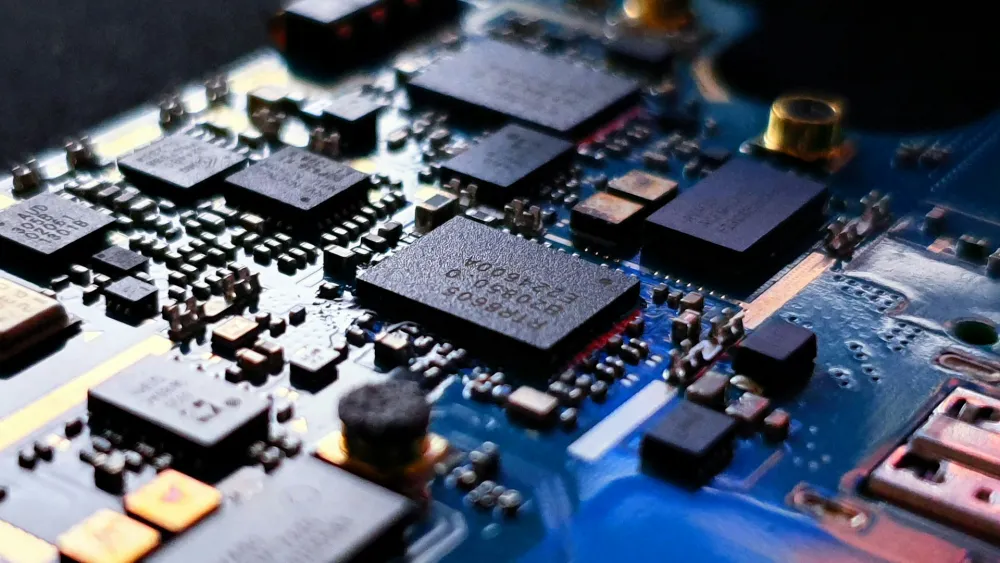
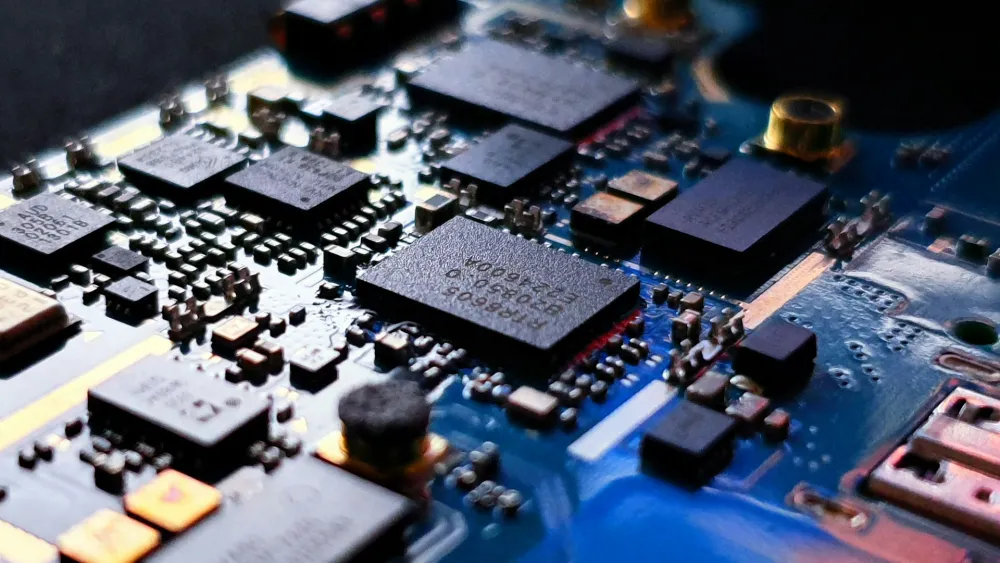
Electronics NODX rose 105.1%, led by a 115.4% increase in integrated circuit exports and a 222% rise in disk-drive shipments. Nomura expects the electronics sector to remain supported by broadening AI-related demand and the global semiconductor cycle.
The firm maintained its 4.6% Singapore GDP growth forecast for 2026 and identified further upside risks after the economy expanded 6% in the first half. Its projection is above the 4% consensus forecast and the Ministry of Trade and Industry’s 2% to 4% forecast range.
Meanwhile, eToro market analyst Zavier Wong said Singapore’s export growth has become increasingly concentrated in chips, disk media and computers linked to data-centre investment.
He attributed the current strength to spending by major US cloud providers, whose AI infrastructure expansion continues to support demand for Singapore’s chip and hardware exports.
However, Wong warned that other export segments, including gold, petrochemicals and specialised machinery, remained weak. This could leave Singapore’s export growth vulnerable once the expansion in global AI infrastructure spending begins to level off.























 Read Here
 Advertise
 Sign Up