AI semiconductor boom shields SG from 7.8% pharma export crash
Volatile pharmaceutical batches saw a massive reversal in December.
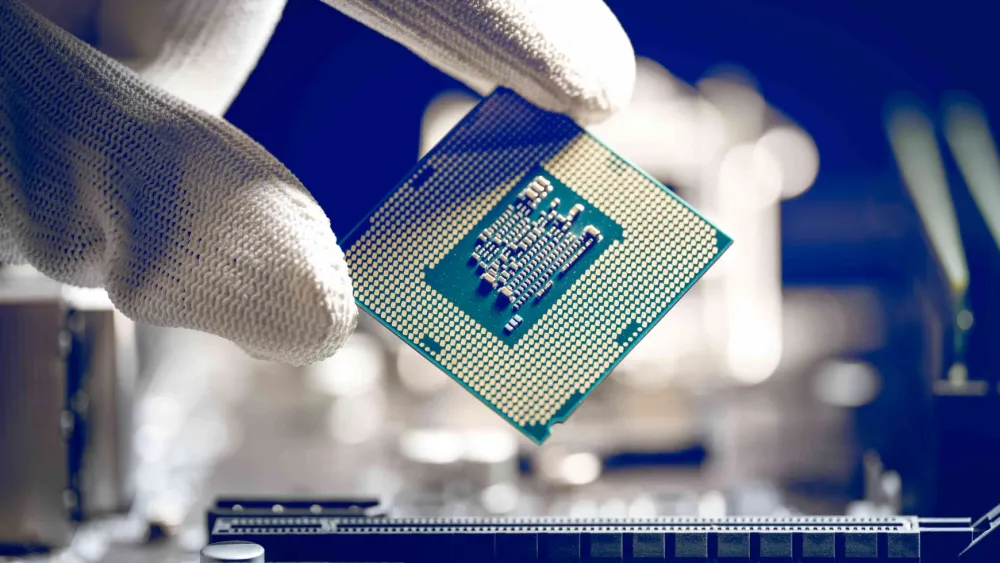
Artificial Intelligence continues to boost demand for semiconductors, potentially pushing Singapore’s exports well above projections despite looming tariffs and other economic uncertainties.
Whilst broader industrial activity remains muted, the electronics sector has emerged as a critical shield against volatility in other segments.
Zavier Wong, Market Analyst at eToro, said the demand for semiconductors drove a nearly 25% surge in Singapore's electronics non-oil domestic exports (NODX), suggesting the semiconductor-related cycle remains the "most dependable pillar" of the export engine.
“By contrast, non-electronics barely grew, with overall gains leaning heavily on non-monetary gold shipments. This pattern seems to align with elevated geopolitical uncertainty and demand for safe-haven assets, rather than a broad-based increase in industrial activity,” Wong said.
Pharma pullback
The sharp divergence is most evident in the "normalisation" of pharmaceutical exports, which suffered a 7.8% crash in December. It is a swing from the 369.8% surge recorded in November.
Despite this pullback and ongoing tariff concerns, Singapore’s total NODX grew 4.8% in 2025, exceeding the official estimate of "around +2.5%".
UOB attributes this outperformance to secular AI-driven demand for semiconductors and servers, front-loading of production, and an eventual easing of trade tensions after the US Trade Policy Uncertainty index peaked in April 2025.
Looking ahead to 2026, UOB has raised its NODX growth projection to 3.0%, up from 1.2% and well above the official government estimate of 0.0% to +2.0%. These AI-related tailwinds are expected to persist, supported by improvements in Singapore’s electronics PMI and a positive uptick in the electronics orders-to-inventories ratio.
Global momentum further supports this outlook, as Taiwan’s largest semiconductor manufacturer recently saw a 35% jump in fourth-quarter profit due to AI chip demand. Furthermore, major tech players such as Meta and Microsoft have announced plans to increase data center capital expenditure in 2026, a move that is expected to further boost Singapore's semiconductor and server exports.0.0% to +2%.





















 Read Here
 Advertise
 Sign Up