Govt’s $1b aid cushions costs but won’t quell price hikes: RHB
Local retail and land transport get the most help, whilst aviation feels the squeeze.
Singapore’s $1b support package amidst the Middle East conflict will cushion rising costs rather than drive demand, with higher energy prices still expected to pass through the economy, according to RHB Investment Bank.
“The government explicitly rejected broad fuel duty cuts as regressive and deliberately allowed energy costs to pass through the economy to preserve efficient price signals,” it said.
The bank noted that the measures aim to limit the impact of cost pressures rather than eliminate them, preserving household purchasing power and business liquidity.
The package was announced on 7 April in response to rising energy costs linked to the conflict. Measures include $500 in Community Development Council vouchers brought forward to June 2026, a higher corporate income tax rebate, and expanded grants.
On the tax rebate, Tay Hong Beng, Chairman, Singapore Chartered Tax Professionals, said that raising it to 50% was a nimble move to ease immediate cashflow pressures, particularly for small and medium-sized enterprises.
The Corporate Income Tax rebate for Year of Assessment 2026 was raised from 40%, with the minimum benefit set to increase from $1,500 to $2,000, and the cap to be lifted from $30,000 to $40,000.
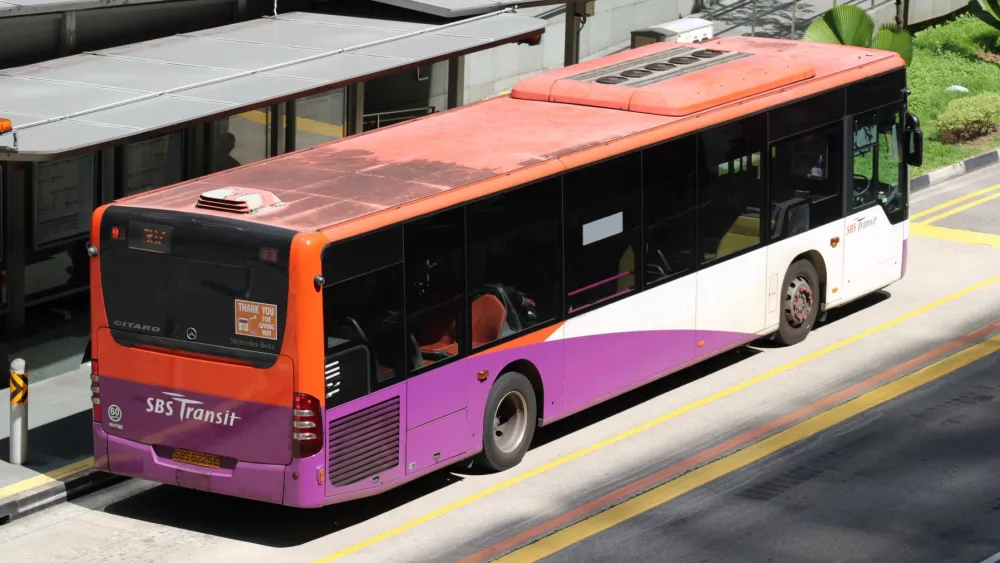
However, RHB said that the impact is expected to be uneven across sectors. “The clear winners are heartland consumption, suburban retail REITs and domestic land transport.”
The bank added that utilities and energy-related companies may also benefit as higher fuel costs translate into increased electricity tariffs, whilst banks could see support from a higher interest rate environment.
By contrast, aviation and tourism-linked sectors face continued pressure, as airlines and related services are exposed to rising fuel costs and potential route disruptions, whilst government support is focused on domestic land transport.
“Whilst CD is the listed beneficiary, SIA and SATS could face unmitigated fuel cost pressure, which the government has acknowledged,” RHB said.
On the macro outlook, the bank flagged downside risks to Singapore’s growth trajectory. It noted that the 2026 GDP forecast of 2.0–4.0% faces “meaningful downside risk” if the conflict persists, particularly for export-oriented and energy-intensive sectors.
Inflation is also expected to rise beyond earlier projections, with 2026 headline inflation likely to exceed the previous 1.0%–2.0% forecast range.
























 Read Here
 Advertise
 Sign Up