Hormuz crisis forces transport firms into costly airspace rerouting
Shipping disruptions are forcing high-value time-sensitive cargo from sea to air to support SATS volumes.
Companies in the transport sector face the most risk amidst escalating tensions in the Middle East, experts said.
Maybank Research said in its latest report that in the aviation sector, “higher oil prices could lift jet fuel costs, pressuring margins, though hedging and fuel surcharges may provide some partial offsets.”
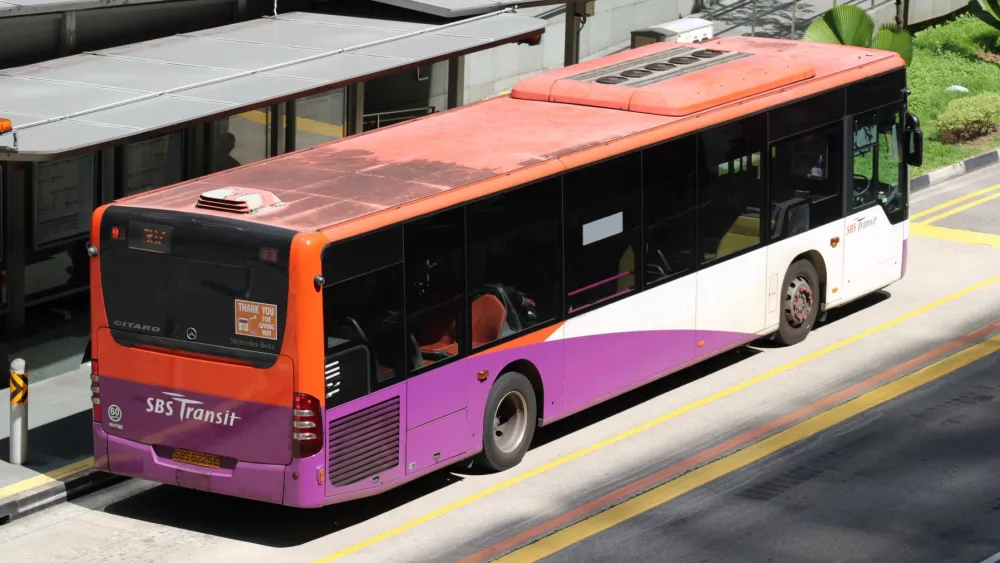
In land transport, higher oil prices could impact operating costs due to escalating fuel and electricity costs. However, fuel price indexation as part of public transport contracts could help mitigate the negative impacts with a lag, the report read.
Maybank specifically said that companies like Singapore Airlines face potential airspace disruptions, causing rerouting and higher unit costs, whilst elevated fuel prices pose margin risk.
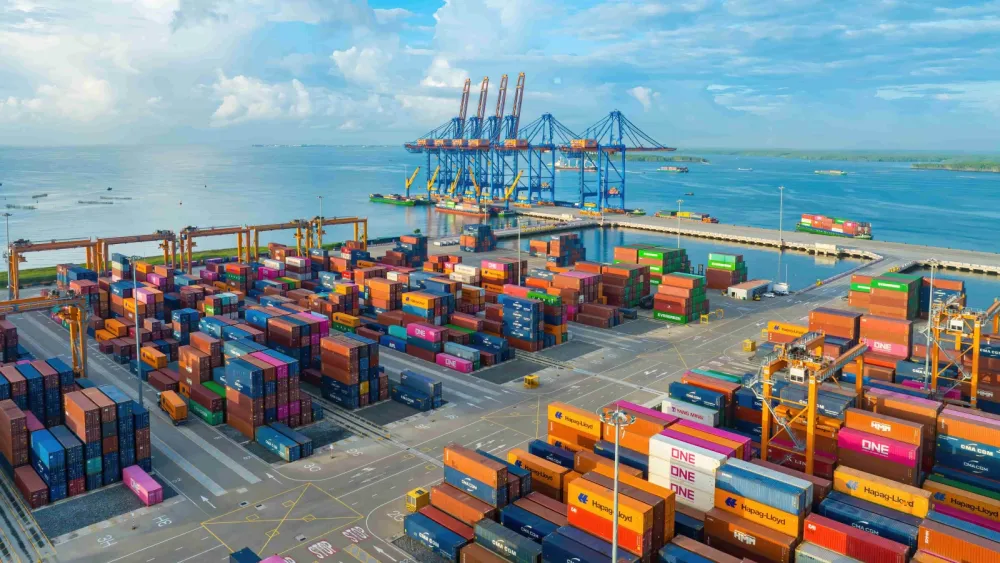
For SATS, shipping disruptions via the Strait of Hormuz could lift freight rates and transit times. This could shift some high-value, time-sensitive cargo from sea to air, supporting the company’s volumes.
Another company that may be exposed is ComfortDelgro, as its fuel and electricity costs account for about 7.5% of its total operating expenses.
"Their public transport contracts include fuel indexation clauses whereby revenue is adjusted based on movements in the price of fuel. This would help to mitigate the majority of oil price movements albeit with a slight time lag," Maybank said.
Moody’s Analytics has said that high-income Asian economies that import more than 80% of their energy needs — including Singapore — are vulnerable to higher oil and gas prices following reports of disruptions around the Strait of Hormuz.
Maybank has said that Singapore’s exposure “is largely second-order for now with oil prices and capital flows the key transmission channels.”
“We believe Singapore should continue to benefit from safe-haven flows leveraging its ‘certainty premium’ offered by policy and political stability and strong fiscal capacity to deal with downside risks,” it added.
Meanwhile, the Monetary Authority of Singapore has confirmed that Singapore’s foreign exchange and money markets continue to function normally.
“The Singapore dollar nominal effective exchange rate (S$NEER) remains within its appreciating policy band, which will continue to dampen imported inflationary pressures,” it said.
Maybank said that banks have limited direct loan exposure to the Middle East but may benefit from safe-haven inflows supporting wealth AUM and fees, whilst a slower pace of Fed cuts could underpin net interest margin. However, elevated input costs risk pressuring asset quality.
“Non-bank financials could see stronger brokerage, asset management and pawn-broking activity amid higher safehaven demand. Consumer exposure is mixed: higher crude supports palm oil economics, though freight and input costs may squeeze margins,” the company said.
“Industrials and SMIDs stand to gain from higher defence spending, energy security themes and stronger oil & gas activity. Conversely, REITs and property may remain range-bound amidst rate uncertainty,” it added.
For internet and telcos, Maybank said they are resilient given domestic revenue bases, though fuel-linked logistics costs pose margin risks.


























 Read Here
 Advertise
 Sign Up