Chart of the Day: Expected hotel supply to fall in three years
The government is deliberately slowing hotel development after supply overflowed before 2017.
This chart from DBS Equity Research shows that after a period of high supply between 2014 and 2017, supply is expected to moderate between 2018 and 2020.
Using 2013 as a base year, optimism was highest in 2015 as the supply was expected to rise 7% or 4,237 units. The outlook for 2018 to 2020 poses a striking difference as the supply of hotels is only expected to rise by 1-2%.
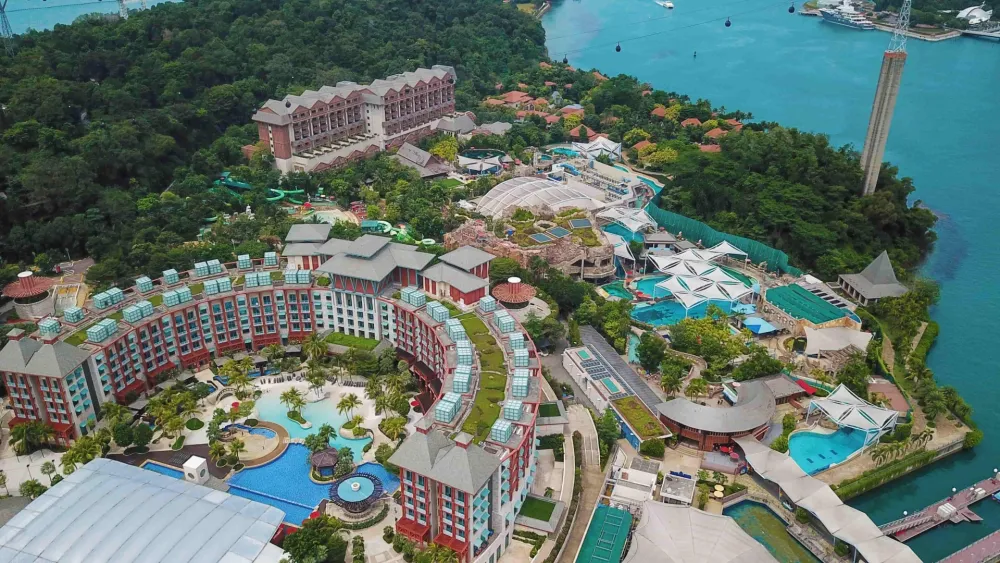
Another report said the shrinking development pipeline is a result of the Urban Redevelopment Authority’s (URA) deliberate strategy to slow the pace of hotel development. In 2018, the new supply is expected to come from the Dusit Thani with 206 rooms, the reopening of the Raffles Hotel with 115 rooms, and -- potentially -- the Patina Capitol Singapore with 157 rooms.
Despite the moderated supply of hotels, consumer confidence is likely to strengthen, as Singapore, along with Bangkok and Hong Kong, is expected to firmly remain the leading Asian destinations of choice in 2018. The oversupply of hotel rooms in Singapore before 2018 is likely to temper growth.
DBS Equity Research said whilst Q4 distribution per unit (DPU) for the hospitality REITs ended on a soft note being down, there were positive signs that a turnaround of the sector is in sight. “Hoteliers showed significant pricing discipline over the quarter despite the opening of seven new hotels,” the broker said.























 Read Here
 Advertise
 Sign Up