Training participation rate falls 40.7% in 2024
Overall training intensity also dropped from 4.7 to 4.6 days in 2024.
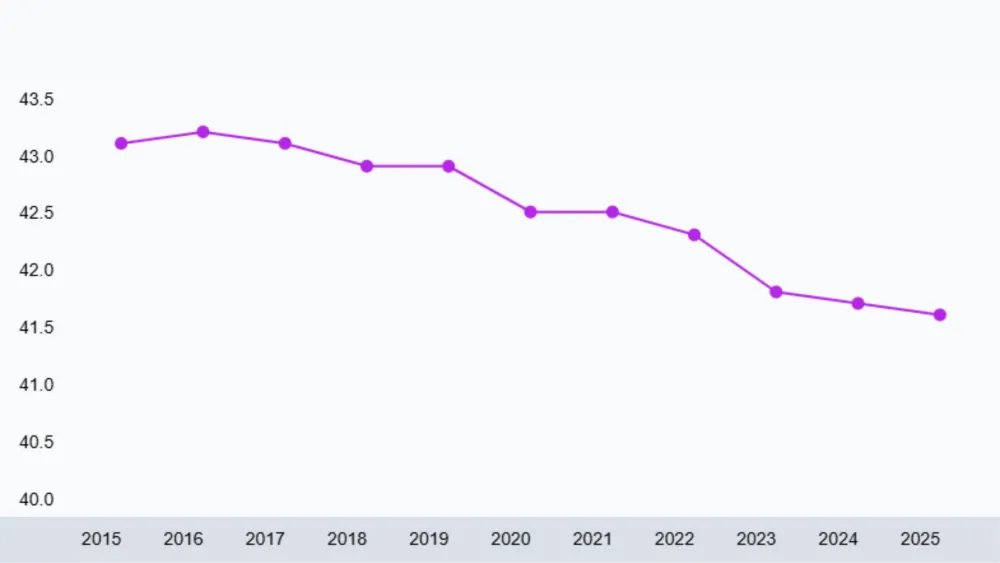
The training participation rate amongst Singapore’s resident labour force fell to 40.7% in 2024, continuing its decline from the 2021 peak of 49.9%, when more residents engaged in online training and e-learning during the pandemic.
The trend shows a shift toward full-time training or education, with participants opting for deeper learning through comprehensive programs instead of balancing short courses with work, according to the Labour Force in Singapore 2024 report by the Ministry of Manpower.
Digital training methods remain prominent post-COVID, with 40.7% of participants utilising online platforms in 2024, surpassing pre-pandemic levels of 30% or lower.
Online training's flexibility in scheduling, venue, and class size, as well as its lower costs, has contributed to its sustained popularity.
Training participation rates declined across both employed and unemployed residents in 2024.
The rate for employed residents fell from 44.6% in 2023 to 42.0%, whilst for unemployed residents, it decreased slightly from 34.1% to 33.7%.
Despite these declines, participation rates remain higher than those recorded in 2014, reflecting ongoing efforts to promote upskilling and continuous learning.
The overall training intensity also dropped from 4.7 days in 2023 to 4.6 days in 2024.
This decrease was driven by a significant reduction in training days amongst unemployed participants, which fell from 10.4 days to 6.0 days.
In contrast, training intensity amongst employed participants increased from 3.5 days to 4.3 days.
Amongst unemployed individuals who did not participate in training, many cited uncertainty about which skills to acquire as a key barrier.
Other reasons included a perceived lack of necessity and family commitments, indicating a need for better support in identifying relevant skills to meet job market demands.























 Read Here
 Advertise
 Sign Up