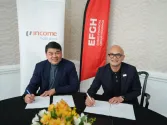
Thin buyer pools threaten valuations as firms purge mature assets
Companies sell non-core units to recycle capital as IPO exits remain selective.
Singapore companies are increasingly divesting mature and non-core assets as selective markets, tighter financing conditions, and regional supply-chain shifts reshape capital allocation strategies.
Divestment activity has risen steadily, with consumer businesses accounting for the largest share of deal volume between 2023 and 2025 at 27%, according to Deloitte’s Southeast Asia Divestiture Survey 2026.
This was followed by energy, resources and industrials, and financial services at 26% each, whilst technology, media and telecommunications accounted for 17%.
However, the report noted that external factors are increasingly determining whether firms can achieve their desired valuations.
“Even well-prepared assets can struggle if launched into thin buyer pools, risk-off sentiment, or constrained financing environments,” it added.
Initial public offering (IPO) exits remain selective, pushing businesses towards divestitures, partial stake sales, and sponsor-to-sponsor routes to generate liquidity and recycle capital.
A separate EY report revealed that Singapore recorded three IPOs in the first quarter of the year, raising $1.2b. The city-state was one of only two active exchanges in Southeast Asia during the period, alongside Malaysia.
Moreover, companies are increasingly prioritising capital recycling and portfolio optimisation, with corporates exiting mature or non-core businesses to redeploy capital into higher-growth platforms and regional expansion.
Large Singapore divestment deals remained concentrated in energy and digital infrastructure, with the top 10 transactions since 2023 accounting for over half of total deal value. Energy, resources and industrials, alongside technology, media and telecommunications, made up 60% of these deals.
Such transactions are attributed to the need to scale rapidly whilst sharing capex and risk, Deloitte said, adding that incumbents were increasingly selling controlling or significant stakes to specialist investors.
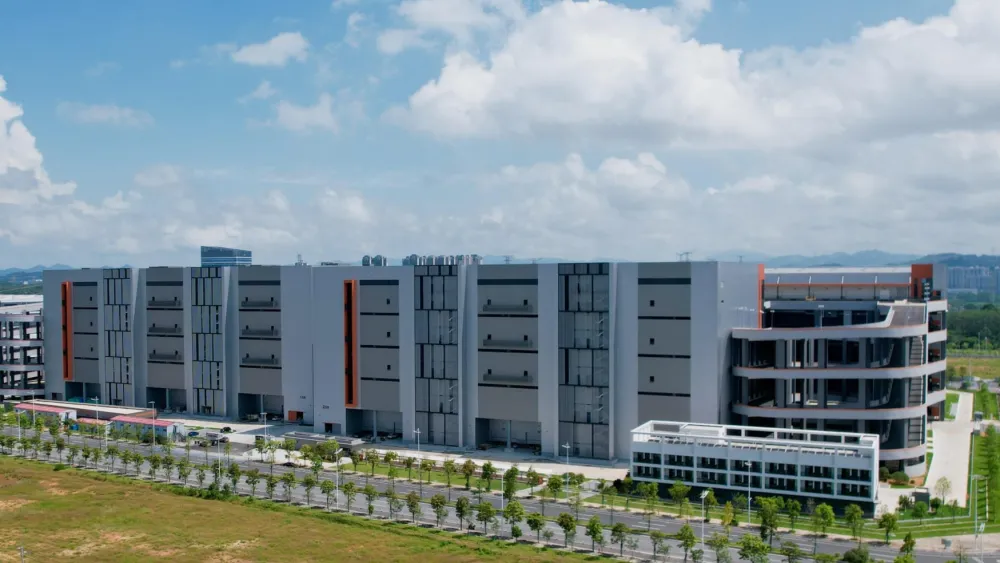
“Large data centre and digital infrastructure transactions are led by the need to scale rapidly while sharing capex and risk,” Deloitte said, adding that incumbents were increasingly selling controlling or significant stakes to specialist investors.
The firm warned that regional manufacturing shifts could pressure older Singapore industrial assets.
The Johor–Singapore Special Economic Zone and broader “China+1” supply-chain shifts were expected to drive divestments of older industrial and logistics assets as companies shift toward higher-specification, regionally integrated platforms.
Building on the momentum captured in October 2025, Singapore-based companies have pledged over $5.5b in Johor under the JS-SEZ, signalling a massive pivot toward integrated regional platforms.
The survey was conducted in October 2025 and covered 1,500 executives globally, including 57 Southeast Asian entities.
























 Read Here
 Advertise
 Sign Up