Why Singapore's 3.2% fare hike is still bad news for SMRT
Margin pressures linger, says analysts.
According to Maybank Kim Eng, the Public Transport Council (PTC) yesterday announced a fare increase of 3.2% to be implemented from 6 Apr 2014. Maybank stressed that this hike fell short of its expectations.
For SMRT, Maybank noted that the net benefit of SGD13.2m from the revision will not be sufficient to ease the margin pressures on its fare- based business.
Here's more:
It did not roll out the full fare cap of 6.6% (2012: 4.5%; 2013: 2.1%) that was withheld over the past two years in a bid to minimise the impact on commuters.
The balance of the fare adjustment (3.4%) will be implemented in the subsequent years. The public transport operators (PTOs) are also required to make a one-off contribution to help fund needy commuters.
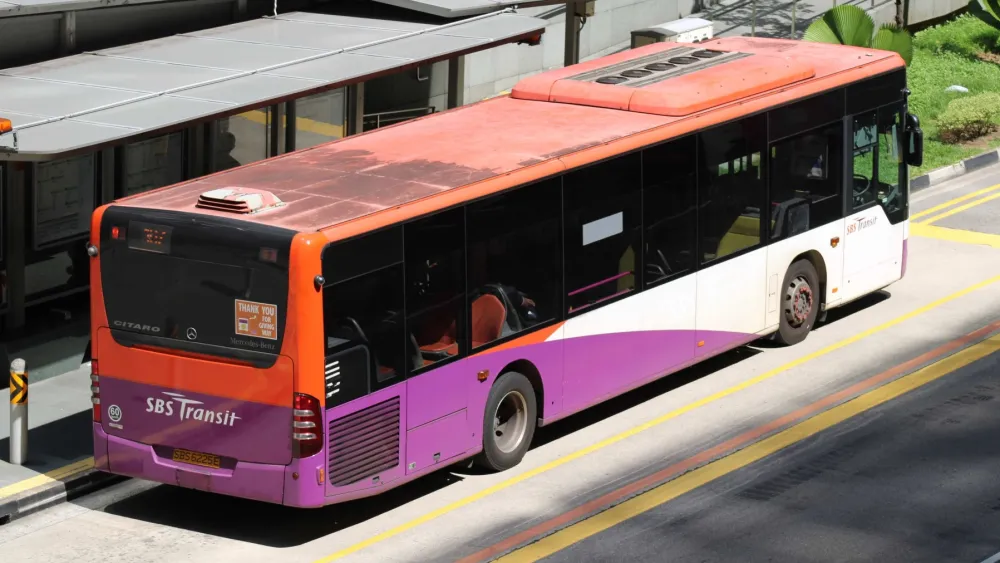
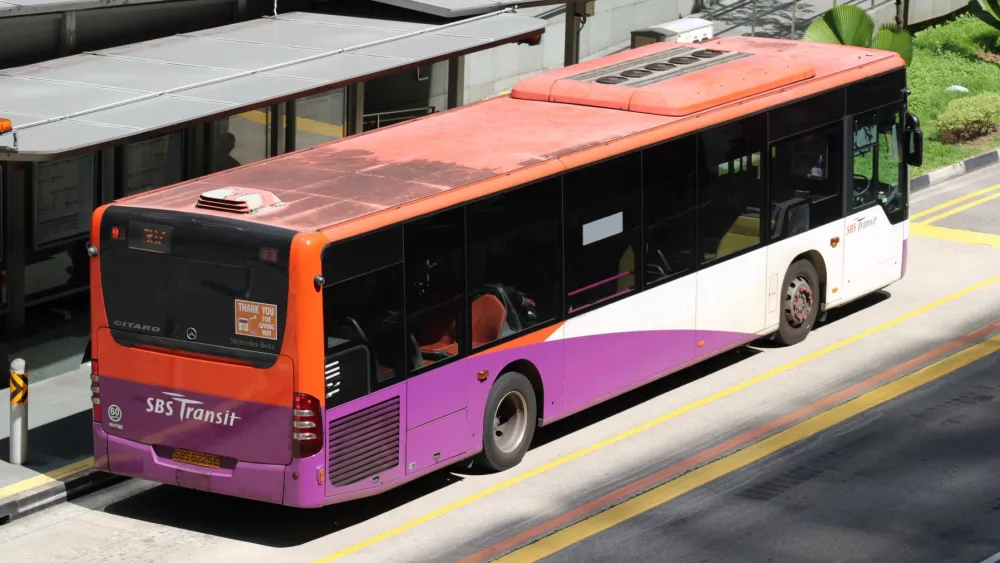
The fare hike of 3.2% falls short of our expectations for a 5% increase. After adjusting for the one-off contributions to fund needy commuters, we estimate SBS Transit and SMRT can expect to receive a net benefit of SGD28.8m and SGD13.2m respectively.
This is below our expectations and we lower our forecasts for SMRT and ComfortDelGro by 49% and 4%, respectively, and cut our TPs.
Our investment thesis on the sector remains largely unchanged, with the latest development reinforcing our negative view on SMRT. We do not think the net benefit of SGD13.2m from this revision will be sufficient to ease the margin pressures on its fare- based business.
Besides headwinds from persistent cost pressures, SMRT faces the threat of cannibalisation from the opening of Downtown Line Stage 2 in 2016. Without radical reforms, Singapore’s Land Transport business model is unsustainable in our view. ComfortDelGro offers a more insulated exposure as its Singapore fare-based business makes up <8% of its market value.




















 Read Here
 Advertise
 Sign Up