Sembcorp's utilities segment hit by intense rivalry in Singapore's power market
Earnings from utilities down 6%.
According to OSK, Sembcorp Industries' 4Q13 net profit rose 9% y-o-y thanks to higher marine and urban
development earnings. However, earnings from utilities fell 6% y-o-y from rising competition in Singapore’s power segment.
Here's more
Results in line. Sembcorp Industries (SCI) reported 4Q13 net profit at SGD224m (-12% q-o-q, +9% y-o-y), in line with our forecast but slightly below consensus. Its marine and urban development units reported higher 4Q13 net profit but that of utilities came in lower.
Net profit from utilities in 4Q13 fell 6% y-o-y to SGD76m due to lower turnover (-11% y-o-y) arising from lower power sales, a decline in the price of high sulfur fuel oil (HSFO) and the deconsolidation of the Salalah plant. It proposed a dividend of SGD0.17/share, which translates to a net yield of 3.1%.
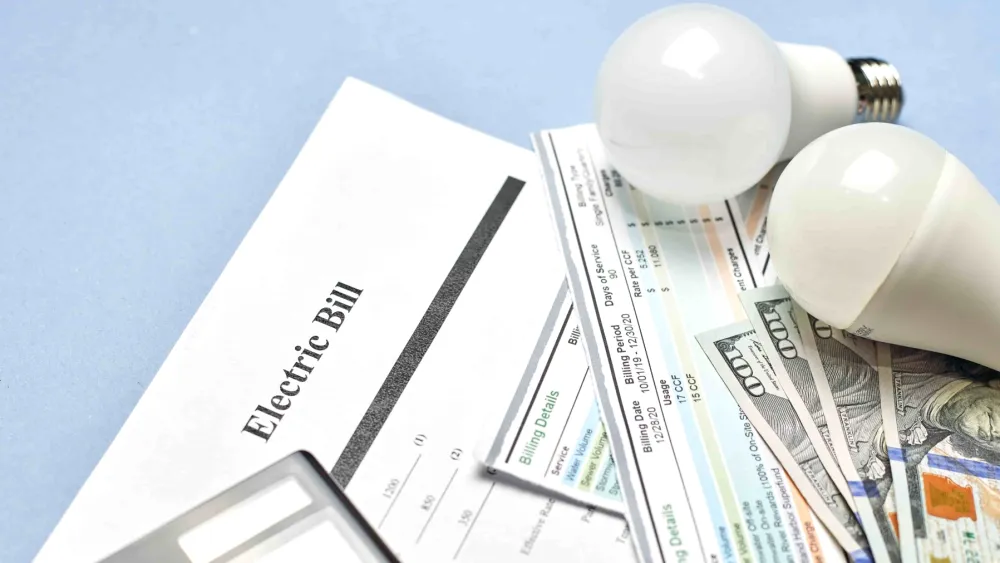
Falling power prices a downside risk to earnings. Utilities in Singapore contributed 28% of group net profit in FY13. Recent data showed that electricity prices in Dec 2013 and Jan 2014 fell over 20% y-o-y, with unit prices falling below SGD150/kilowatt hour (MWh).
The decline was due to a new power plant coming on stream. We believe the steep decline in electricity prices could pose as a downside to power segment earnings.
The weakness will be partially offset by new capacity from its Banyan and India plants in mid-2014 and end-2014 respectively.
Mixed outlook. Management expects a steady performance from the utilities division, with growth driven by overseas expansion primarily in India and China.
However, we see downside risks increasing, as power plant companies may lose pricing discipline. Revenue visibility of its marine segment remains solid, supported by SGD12.3bn worth of orders in hand.

























 Read Here
 Advertise
 Sign Up