Utilities sector to grow 2% in 2018: S&P
Singapore joins the trend of having increased access to capital markets.
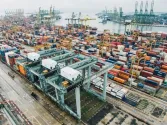
Singapore's utilities sector is expected to grow 2% like some Southeast Asian (SEA) countries, mainly thanks to economic growth and infrastructure development, Standard & Poor (S&P) said.
According to a forecast, the revenue of utilities companies in South and Southeast Asian (SSEA) countries is expected to grow by 4% from 2018 to 2020, compared with negative growth in the previous three-year period.
This is driven by moderate economic growth, government-led infrastructure development, and higher commodity prices--which are often passed through in the tariffs for regulated utilities.
The country is also expected to spend moderately on infrastructure.
Singapore, like SSEA countries, is also joining the trend of increased access to foreign currency capital markets and new structures. Utilities in SSEA have tapped the capital markets and continue to generate investor interest.
Existing issuers, often government-related corporate entities, from Singapore are increasingly tapping the bond markets.
S&P Global director Abhishek Dangra said, "We also see more project finance structures for completed projects with strong power purchase agreements."






















 Read Here
 Advertise
 Sign Up