
Singapore faces data and education gaps in recycling push
Recycling progress is being held back by digital blind spots, overconsumption, and low public understanding.
Singapore’s efforts to meet its Zero Waste Masterplan targets are falling short as recycling rates stagnate. Critical gaps in digital tools, consumer education, and infrastructure are also slowing the momentum.
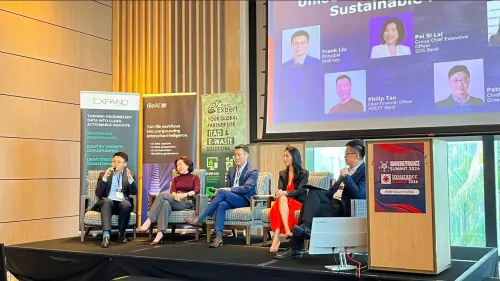
According to Emmanual Tay, CEO and Co-Founder of Circular Unite, many organisations lack the systems needed to track and optimise their waste streams. “This basically results in what we term as limited visibility, transparency, traceability and accountability, which is making it very, very difficult to drive meaningful initiatives and reductions in waste,” he said.
The fragmented nature of recycling operations and the lack of unified data standards are also holding back scalable adoption. “Many organisations even struggle to quantify the return on investments… which ultimately slows down the pace of innovation,” he added.
Plastic recycling in Singapore currently sits at just 5%, and contamination rates remain high. “The contamination rate… is really, really high at 40% and also the recycling rate is very low at 12%,” said Lionel Dorai, Executive Director of Zero Waste SG.
He pointed to overconsumption and a lack of awareness as key issues. “It all boils down to… the amount of education that is needed for the individual to understand about over consumption and what can be done to rectify it.”
Professor Johan Sulaeman, Director of the Sustainable and Green Finance Institute at NUS Business School, highlighted confusion among the public and gaps in infrastructure. “People may want or intend to recycle, but they often don't know how to do it right… contaminated items can mean that the entire batch ends up being incinerated.”
He also noted the paradox created by Singapore’s efficient Waste-to-Energy system. “There isn't a strong financial push to actually reduce waste… but the landfill capacity is running out in about 10 years. We are running out of time.”
Regulations and shifting consumer behaviour are beginning to move the needle. “Consumers are increasingly demanding more transparency and accountability,” said Tay. Dorai observed a growing “waste consciousness” when people are given clear information and feedback.
Sulaeman agreed, but stressed that structural changes are still needed. “Old habits still die hard. Convenience typically still wins out… but there is a noticeable cultural shift, especially among younger Singaporeans.”

















 Read Here
 Advertise
 Sign Up






Commentary
Singapore’s global dispute fault lines
‘Tokenmaxxing’ – The wrong AI race to run in Singapore
To outsmart modern fraud, we must first know the enemy
Why Singapore SMEs cannot wait for quantum cyber risk to arrive before securing data
Is Singapore's emphasis on long-term security and stability hindering purpose-driven employees?
When Singapore's agentic AI ‘chefs’ arrive, will the kitchen be ready for them?