
Singapore’s innovation engine stalls at commercialisation
Singapore struggles to turn innovation inputs into global market success.
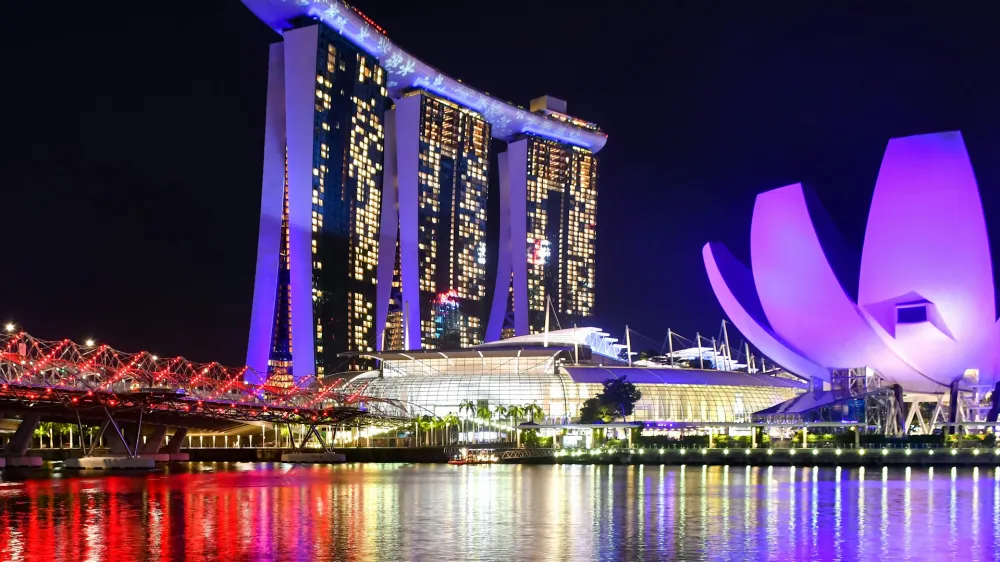
Singapore may boast one of the world’s strongest innovation ecosystems, but converting ideas into commercially successful products remains its toughest challenge. The latest Global Innovation Index (GII) by the World Intellectual Property Organisation ranks Singapore amongst the global top 10 for innovation inputs, yet the nation’s output performance lags behind.
Ravi Krishnaswamy, Managing Director & Regional Leader for Asia Pacific at Frost & Sullivan, attributes Singapore’s innovation strength to its “proactive government policies, high level of support for research innovation, a world class education system, all the way from primary to tertiary IP protection.”
He added that “trust from all the stakeholders, especially in the government and Singapore as a brand,” has helped the city-state achieve its top input ranking.
However, structural factors continue to slow down innovation output. “Number one is the small domestic market, and also the high operating costs plus limited local manufacturing,” Krishnaswamy said. These factors push startups to expand overseas prematurely, increasing go-to-market risk and lengthening payback periods.
He also pointed to a cultural component. “The kind of fear of failure rate in Singapore is supposedly higher than the global average,” Krishnaswamy noted, adding that predictable career paths make entrepreneurship less attractive for many professionals.
Blackbox Research Head of Strategy and Marketing Glenn Wray shared a similar concern, citing a deeper commercial gap. “Singapore ranked 99th in terms of trademarks by origins,” he said, describing it as evidence of “a huge problem in Singapore moving beyond creating good, innovative IP, and actually creating defensible, commercial IP to take forward into the marketplace.”
Wray identified a “scale-up chasm” in Singapore’s startup ecosystem. While early-stage funding remains strong, late-stage investment is thin. “It’s when we come to the late stage of B and C Series funding, that the real challenge exists,” he said, explaining that investors often view deep tech with skepticism due to its long development cycles. “VCs also, if they’re being asked to write a $50 million or $100 million check, they need to see proof a lot more than proof of concept.”
Looking ahead, both experts agree that Singapore needs stronger integration between research institutions and industry. “We really need to think of going from a startup nation to a scale up nation,” Wray said, urging a pivot “from research supply push model to a more market led demand pull one.”
Krishnaswamy recommended “building sectoral test beds and living labs that integrate research institutions, corporates and regulators,” adding that Singapore should “incentivise corporate demand, possibly even the government demand, government procurement, having certain targets, regulated sandboxes,” to help validate startups locally.



















 Read Here
 Advertise
 Sign Up








Commentary
Singapore’s global dispute fault lines
‘Tokenmaxxing’ – The wrong AI race to run in Singapore
To outsmart modern fraud, we must first know the enemy
Why Singapore SMEs cannot wait for quantum cyber risk to arrive before securing data
Is Singapore's emphasis on long-term security and stability hindering purpose-driven employees?
When Singapore's agentic AI ‘chefs’ arrive, will the kitchen be ready for them?