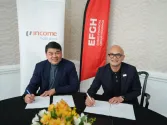
Something for everyone in Singapore Budget 2011: Ernst & Young
Lower income families, middle income earners and SME Businesses biggest winners in this year's budget.
Everyone was hoping for a big windfall on Budget Day, 18 February 2011, given the steep V-shaped recovery, an impressive GDP growth rate in excess of 14%, and an expected huge Budget surplus.As it turned out, there is indeed much to share, with the biggest post-Chinese New Year hongbao going to the lower-income families.
The middle-income wage earners should be happy too. With some changes to the personal tax rate structure, they will see a significant reduction in their tax bills. Those with chargeable income of $120,000, for instance, will enjoy savings of about 20%.
Small and medium sized enterprises (SMEs) have also received much attention. For example they can get a tax rebate of up to $10,000 or a cash grant of up to $5,000, whichever is higher. In addition, the Productivity and Innovation Credit (PIC) Scheme that was introduced last year and targeted at SMEs will be significantly enhanced. The PIC Scheme covers six qualifying activities, namely research and development, purchase or lease of prescribed automated equipment, training of employees, approved design, acquisition and registration of intellectual property. The 250% tax deduction for expenditure in these six activities will be increased to 400%, and the cap on the expenditure qualifying under each activity will be increased from $300,000 to $400,000. The maximum annual tax benefit is now in excess of $1.2m!
Of interest to smaller enterprises, they have the option to convert the PIC tax deductions into a non-taxable cash grant. The cash grant of 7% was capped at $21,000, but this cap has now been raised to $30,000.
“Carrots” like the PIC Scheme and funding from the National Productivity Fund, coupled with “sticks” such as the increase in foreign worker levies, are meant to nudge SMEs to upgrade and restructure their operations, up-skill their workers and create better quality jobs for Singaporeans.
Multinational companies (MNCs) need not feel left out, as they can also benefit from the corporate tax rebate and the PIC Scheme. The last time a corporate tax rebate was given was way back in the year of assessment 2002. Though it was a much more generous 5% rebate, the corporate tax rate then was also a much higher 24.5%, compared to today’s low of 17%.
There will be a significant change in the formula for calculating foreign tax credits that will benefit companies, both SMEs and MNCs alike, which earn income from various countries overseas. Whereas previously the credit had to be calculated on a source-by-source and country-by-country basis, these credits can now be pooled. This makes more economic sense from the company’s perspective and can result in significant tax savings.
The financial services sector is a perennial work-in-progress, as far as tax incentives are concerned, so as to strengthen Singapore’s position as a leading financial centre. Certain incentives covering insurance business, project finance, and structured products, that are expiring this year will be extended. Enhancements are made to the withholding tax exemption regime for banks. The exemption will be extended to certain other financial institutions as well.
So you might think what’s in it for you, if you are none of the above. That probably means you are a high income earner or high net worth individual. The top personal tax rate of 20% may not have come down, but you get a tax rebate of 20%, capped at $2,000. This is on top of the tax savings from the changes to the personal tax rate structure. If you are not even able to benefit from this, it probably means that you are in the enviable position of paying no income tax at all!
























 Read Here
 Advertise
 Sign Up