Singapore rejects USTR’s forced-labour import findings
A US trade review leaves local exports facing a possible 12.5% tariff.
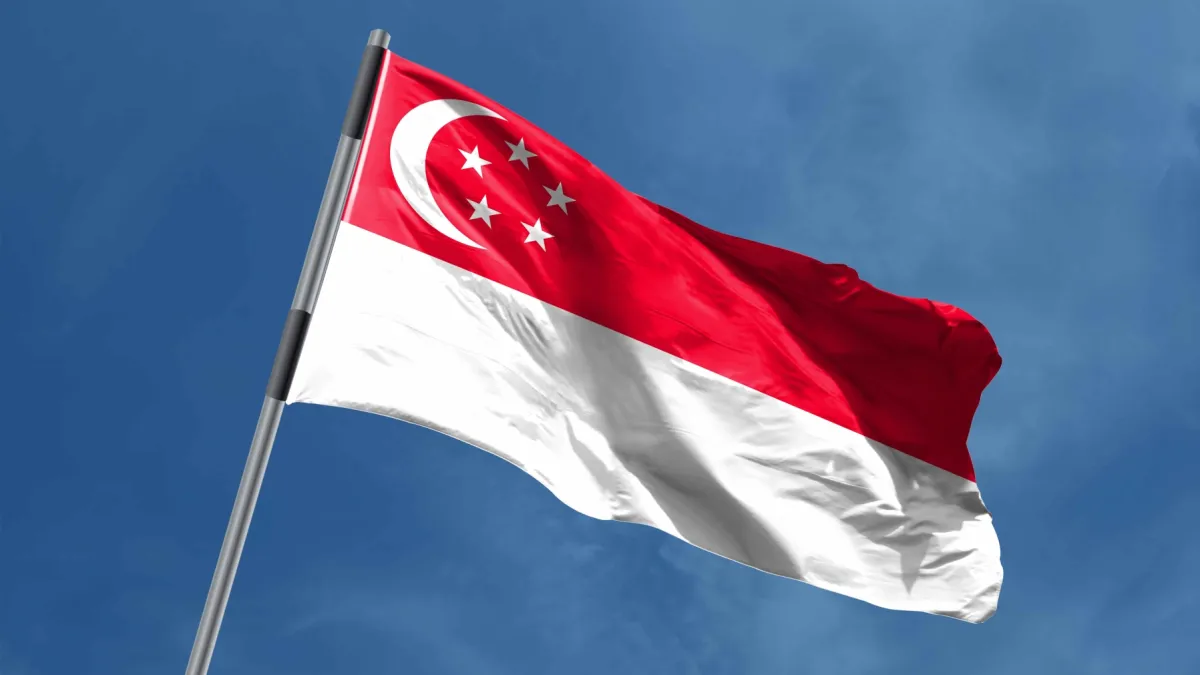
The Singapore government has formally rejected findings by the Office of the United States Trade Representative (USTR) that it failed to impose or effectively enforce a ban on imports of goods produced with forced labour.
The government said there is no evidence linking Singapore to the supply chains of forced-labour goods exported to the US, citing data from the US labour and customs data.
It added in written comments to the USTR that it has not adopted policies that are unreasonable or discriminatory or that have burdened US commerce.
The response follows an earlier finding that Singapore was amongst 54 economies faulted over forced-labour import bans, exposing exports to a possible 12.5% US tariff.
The finding was made under Section 301 of the Trade Act of 1974, which allows the US to respond to foreign acts, policies, or practices deemed unfair or restrictive to US commerce.
“Forced labour is criminalised in Singapore, and we have a comprehensive regulatory framework and a good track record against such illegal practices within our borders,” the government said.
It added that its import rules are aligned with international customs practices and are meant to provide transparency and predictability for businesses, including US companies that use Singapore as a base for manufacturing and imports.
The government is engaging the USTR on the findings and proposed actions.




















 Read Here
 Advertise
 Sign Up