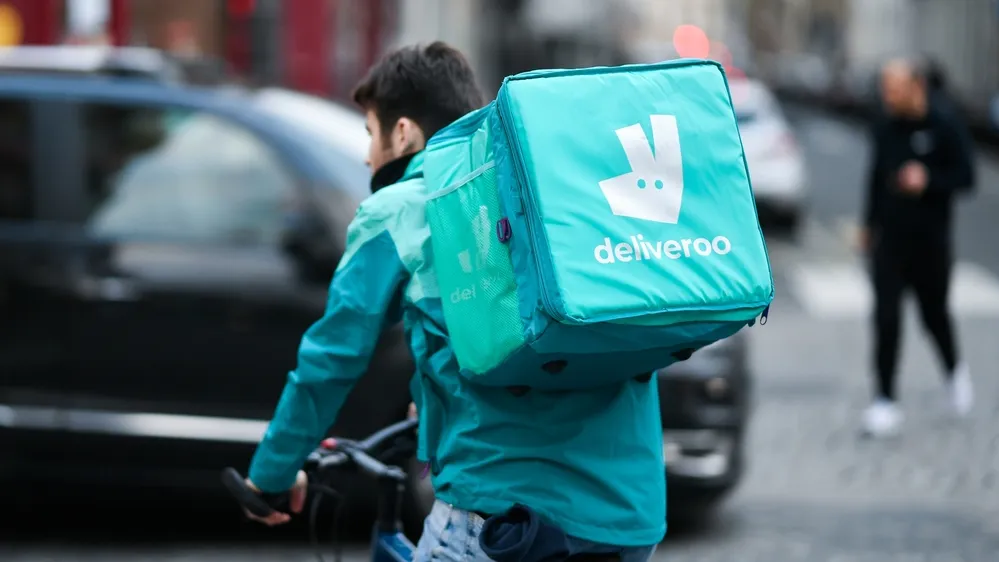
Deliveroo exit triggers food delivery duopoly in Singapore
Consolidation may lift fees and commissions as Grab and Foodpanda dominate.
Delivery fees and merchant commissions in Singapore are likely to rise following the exit of Deliveroo Plc, as consolidation leaves restaurants and consumers with fewer platform choices and shifts bargaining power toward the remaining operators.
“The exit highlights key industry trends: razor-thin margins, rising preference for super apps, and the struggle to maintain profitability in highly penetrated markets,” Anuran Dhar, practice head for foodservice at GlobalData Plc, told Retail Asia.
“For new entrants especially, it signals the danger of expanding too fast without adapting to local conditions,” he added.
Deliveroo’s withdrawal leaves the city-state’s food delivery sector effectively dominated by Grab Holdings Ltd. and Delivery Hero SE’s Foodpanda, creating what analysts describe as a near-duopoly.
The UK-based company ceased Singapore operations this year after years of competing in a highly saturated market.
A February report by Momentum Works Pte Ltd. showed Singapore’s food delivery sector generated gross merchandise value of $2.9b in 2025. Grab commanded 69% of the market, foodpanda held 24%, and Deliveroo accounted for 7%, underscoring the scale gap facing the departing platform.
In the near term, both Grab and Foodpanda are expected to compete aggressively for Deliveroo’s former users and merchants.
Dhar said promotional campaigns are already visible, including deep discounts, waived onboarding and device costs, and membership perks such as delivery thresholds, priority access, and bundled deals designed to lock in repeat usage.
These incentives are unlikely to last. Dhar said consolidation typically allows platforms to unwind subsidies once market share stabilises.
Over time, operators may raise delivery fees, boost merchant commissions, or increase charges for search visibility and promotions as alternatives narrow.
Mid-tier and small restaurants face the greatest pressure from higher costs, Dhar said, since their margins leave little room to absorb steeper commissions.
Some of those costs are likely to be passed on to consumers through higher menu prices, surcharges, or bundled meals, depending on price sensitivity and brand strength.
Premium merchants could see a different outcome. Dhar said well-known brands may use their scale and customer appeal to negotiate terms or secure better placement on the remaining platforms.
He added that restaurants registering on both Grab and Foodpanda could gain access to customers in areas where Deliveroo previously had a strong following.
Roshan Raj Behera, a partner at Redseer Strategy Consultants Pvt. Ltd., said Deliveroo’s departure would lead to a “nonmaterial decline in competition” given its single-digit share, but still shifts negotiating leverage toward the platforms.
He said rider migration could support service quality through faster deliveries and shorter wait times.
“Market concentration inevitably shifts the bargaining power in favor of the fewer platforms that remain in the market,” Behera said in an emailed reply to questions. “Accordingly, we can expect restaurants of all sizes to end up paying a higher cost for delivery.”
Behera said smaller restaurants are likely to face higher delivery costs because they have less capacity to absorb steeper commissions. Large or premium brands may explore alternatives such as in-house delivery fleets or partnerships with other merchants to protect margins.
Consumer loyalty is likely to continue to revolve around service standards rather than platform branding, Behera said, with network effects favoring Grab given its broader ecosystem and subscription programs.
Dhar said niche opportunities remain for platforms serving specialised segments such as premium, specialty, or health-focused consumers. He also said some restaurants might expand direct ordering, pickup, or self-managed delivery to regain control over costs.
“With the exit of Deliveroo, it is highly unlikely that a new player can enter the market and scale quickly without deep funding,” he added.























 Read Here
 Advertise
 Sign Up