Singapore to strengthen anti-money laundering regime in key sectors
From remittance agents to money-changers.
Singapore issued its inaugural national risk assessment (NRA) report on money laundering and terrorist financing risks in the country. The assessment found that many sectors have in place a robust regime to combat money laundering and terrorist financing. The regime is grounded in tough regulations, rigorous supervision, and effective enforcement. Nonetheless, there are a number of areas where controls need to be strengthened, and efforts are underway to address them.
The report is the culmination of a government-wide exercise over the last two years and covers 14 financial sub-sectors and eight non-financial sectors in Singapore. The assessment takes into account Singapore’s economic and geographical environment; its legal, judicial and institutional framework; as well as crime trends. Emerging risks have also been identified for further study.
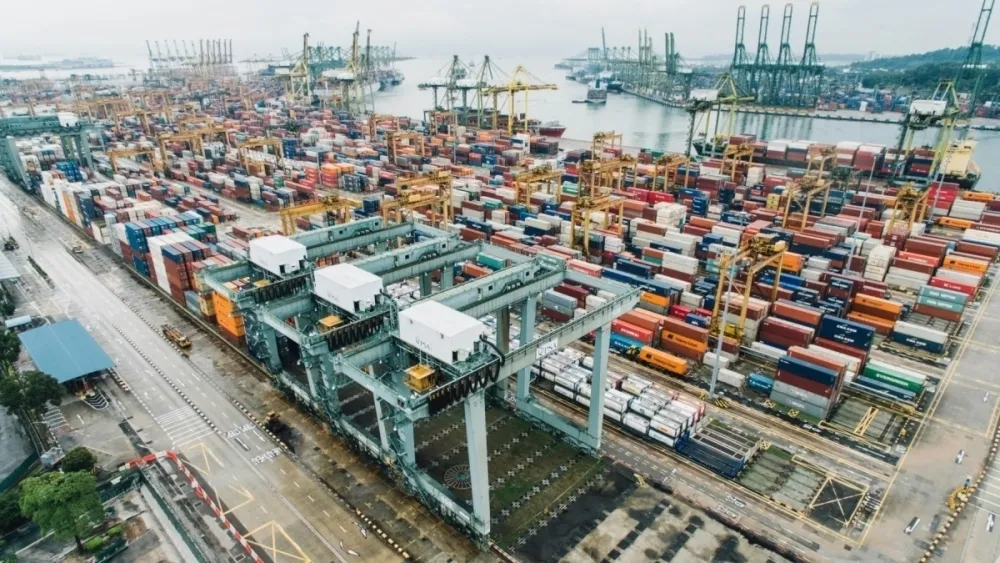
For its key findings, it was found that Singapore’s openness as an international transport hub and financial centre exposes it to inherent cross-border money laundering and terrorist financing risks.
The more vulnerable sectors include those that are internationally-oriented and cash-intensive. These sectors are where preventive measures against money laundering and terrorist financing are most needed.
"For many of them, such as banks and casinos, the relevant controls are in place. These controls include customer due diligence, record keeping, ongoing transaction monitoring and rigorous supervision. In addition, Singapore has established an extensive international cooperation network for supervision and law enforcement to better combat transnational crime," said the Steering Committee.
However, there are a number of sectors where controls are relatively less robust. These include remittance agents, money-changers, internet-based stored value facility holders, corporate service providers and pawnbrokers. Relevant government agencies will be strengthening the legislative and supervisory framework through the year to address the risks in these sectors more effectively.
As technology evolves and criminals become more sophisticated, several areas have also been identified for further study. These include virtual currencies, precious stones and metals dealers, and the Singapore Freeport. Authorities will seek to better understand how money laundering and terrorist financing can be carried out through these channels, as well as review international best practices, to determine whether any safeguards and mitigating measures are needed.
Singapore takes a serious view of illegal activities in its financial sector and economy. The assessment will help authorities to maintain an effective risk-based regime to combat money laundering and terrorist financing, as well as to prioritise and allocate public sector resources efficiently.
The assessment will also help private sector stakeholders to better understand the money laundering and terrorist financing risks in their own and related industries, assess the adequacy of their controls, and strengthen them where necessary. The public will also benefit from greater awareness of the money laundering and terrorist financing risks in Singapore and the measures in place to mitigate them.
The Director of the Commercial Affairs Department, Mr Tan Boon Gin, said, “We will mitigate the risks identified in the NRA by working with the private sector and regulatory agencies to build a strong culture of suspicious transaction reporting, particularly in the areas assessed to be of higher risk. We will also devote the necessary resources to detect and pursue all cases of money laundering and terrorism financing, regardless of whether the underlying criminal activity took place domestically or overseas.”























 Read Here
 Advertise
 Sign Up