C-Suite leaders face recession fears and AI readiness gap
Singapore prioritise recession and economic stagnation risks amid global trade realignment.
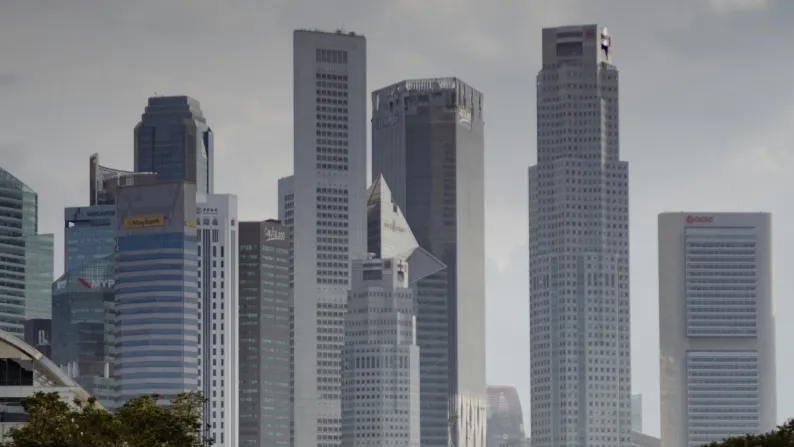
Singapore's business leaders are entering the second half of 2026, navigating recession fears and a widening gap in AI readiness, according to a new report by Marsh Asia.
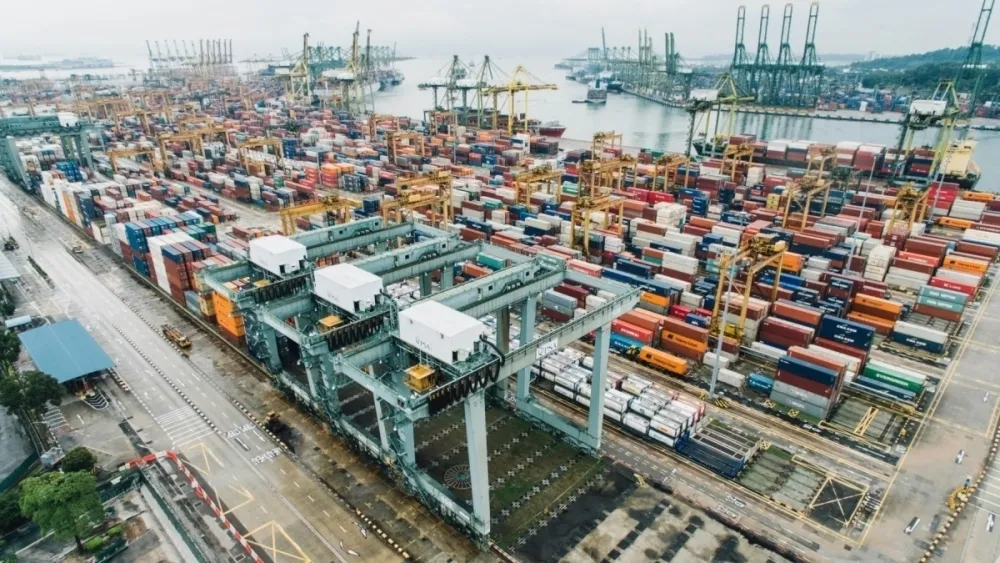
The report, which draws on the World Economic Forum's 2026 Global Risks Report alongside Marsh Asia and Mercer's own research, identifies recession and economic stagnation as primary concerns for Singapore C-suites, reflecting both financial hubs' deep exposure to global trade flows at a time when geoeconomic tensions are reshaping supply chains and cross-border investment.
Only 51% of C-suite leaders across Asia say their businesses are equipped to reinvent themselves in response to evolving AI capabilities, whilst 64% cite talent scarcity as the top macro driver shaping their people strategies.
Medical trend rates are projected to reach 12.5% in 2026, nearly six times the rate of inflation, adding further pressure to compensation costs already strained by labour shortages.
The report also warned that businesses are currently prioritising short-term efficiency over long-term strategic resilience, urging leaders to invest in scenario planning and supply chain diversification to stay ahead of shifting trade dynamics.
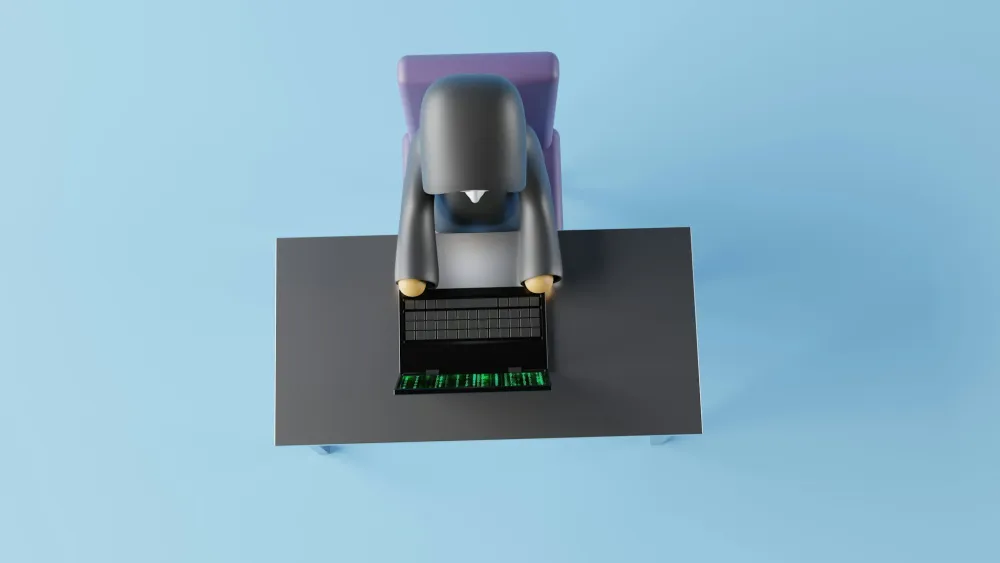
On cybersecurity, the report stated the optimal approach combines proactive risk management with comprehensive insurance coverage, noting that preventive controls alone cannot fully eliminate exposure as threats continue to evolve.






















 Read Here
 Advertise
 Sign Up