Could cash be making a comeback in Singapore wealth plans?
Also, over a third expect to grow their exposure to alternative investments.
Nearly four in ten wealthy investors in Singapore are considering switching their primary wealth managers in the next three years, according to the 2025 EY Global Wealth Research Report.
This level of potential churn (39%) is higher than both the Asia-Pacific (APAC) and global averages.
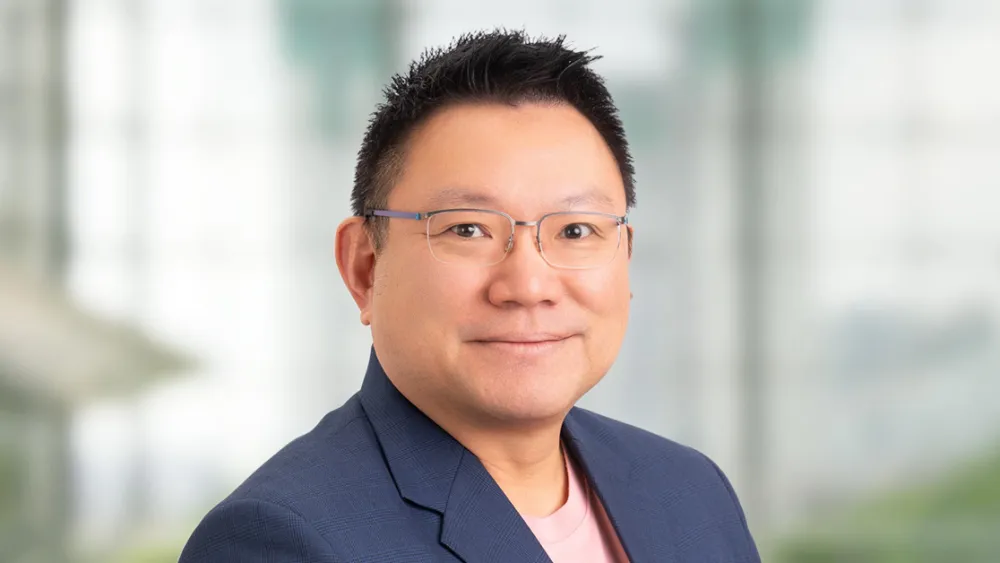
According to Swee Yen Yeoh, EY ASEAN Financial Services Wealth & Asset Management Leader, “High-net-worth clients in Singapore are increasingly eyeing a change in their primary wealth provider — driven by a strong desire for better investment performance and returns,”
“At the same time, they’re becoming more proactive and hands-on with their portfolios, responding to ongoing market volatility with a sharper focus on cash and cash equivalents (CCE). This shift points to a clear preference for short-term investments and greater risk awareness, even as they continue to chase performance,” Swee added.
Cash and cash equivalents are seeing renewed interest, with almost half (42%) of Singapore respondents planning to increase allocations to these assets in the next three years.
Simultaneously, 37% expect to grow their exposure to alternative investments such as private equity, hedge funds, and real estate.
The report, based on a survey of 3,600 wealth clients across 30 markets, found that Singapore investors are increasingly proactive in response to market volatility.
More than half (53%) took greater control over their portfolios, compared to 44% globally.
Investment performance remains the dominant factor influencing provider selection in Singapore, cited by 42% of respondents as the most or second-most important consideration.
Fee structure and product access followed closely behind, particularly amongst younger and more affluent segments.
On the technology front, 74% of respondents expect their wealth managers to use AI tools, higher than the APAC average of 72% and well above the global rate of 60%.
However, data privacy and misuse remain key concerns, especially amongst older clients.
Despite high satisfaction levels with current providers, clients are managing relationships with an average of 2.3 different firms, with Very-High-Net-Worth and Ultra-High-Net-Worth investors holding even more.
EY further notes that provider “multi-homing” is rising, especially amongst younger clients.




















 Read Here
 Advertise
 Sign Up