Property price hikes unstoppable in China
As new home prices rose in all 70 cities for the first time this year.
Prices in Beijing rose 1.9% YoY, while those in Shanghai increased 2.8%, according to DBS’ report.
Here’s more from DBS:
| China’s ongoing monetary tightening has failed to arrest the ascent of property prices nationwide. In August, new-home prices rose in all 70 cities monitored for the first time this year. Prices in Beijing rose 1.9% YoY, while those in Shanghai increased 2.8% according to data on the NBS website. This is abnormal considering the number of administrative measures introduced specifically to deal with it 18 months ago. The heat is now gearing up in 2nd/3rd tier cities too. Frankly speaking, if tightening is effective, property prices should have begun falling long time ago. What largely explains the ineffectiveness is the reluctance of the local governments to implement restraints prescribed by the central government. Only 2 out of 70 city governments followed what they were instructed to do. The stakes to the non-complying governments are understandably high due to their heavy reliance on the property market to generate revenue. Half-hearted execution at the local level alongside persistent negative real rates thus work in tandem to buttress demand for property. The situation also coincides with the rapid formation of the middle class backed by rising wages/salaries. From an investment angle, return on property is still a lot better than the performance of the A- share markets hitherto. That’s why the market should not be too flamboyant about the cyclical peak of the CPI. The key determinant of inflation expectations in China is property prices, followed by food prices. As long as they are elevated, inflation will always be around. Inflation will unlikely run out of control but it will be equally difficult for it to retreat dramatically in the near term. The argument of falling price pressures due to looming recessions in the developed economies is valid but this will benefit manufacturers in the form of lower imported costs. How it will help to lower domestic property prices is not clear. It was the great financial crisis in 2008 that triggered a massive fiscal/monetary response which subsequently cradled the great run on property prices in China. Now the problem of asset inflation remains unsolved. It is unconvincing to bet that China will once again be the white knight. Indeed, the market should be cheerful should PBoC hike rates once again in the near term because it needs a lot of determination to stay focused on the present course against the a weakening external environment. Sentiment should not dictate fundamentals especially when justifications of loosening are inadequate. |
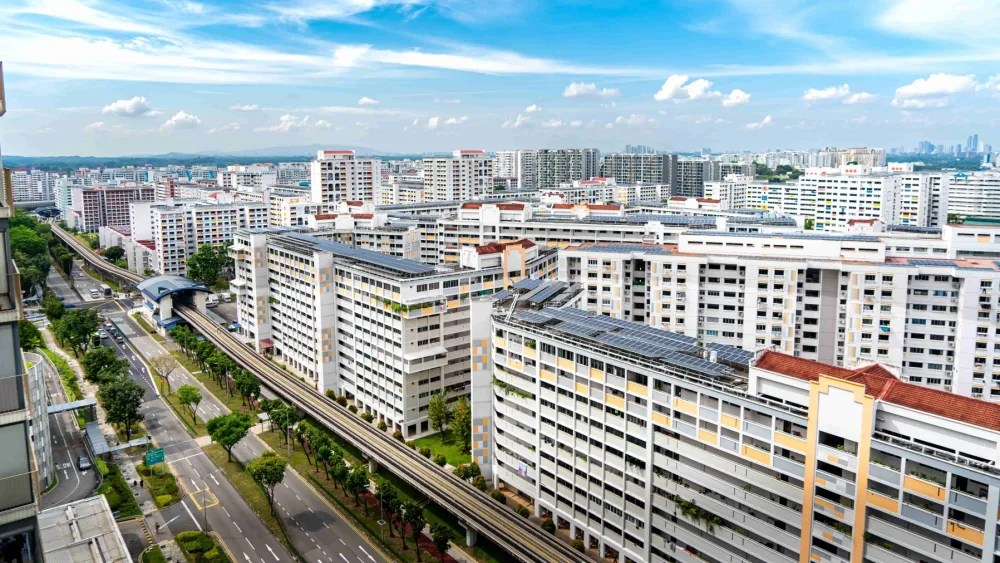
Photo from Toby Simkin
























 Read Here
 Advertise
 Sign Up